
Ipamorelin Explained: Why It's One of the Most Popular Growth Hormone Secretagogues
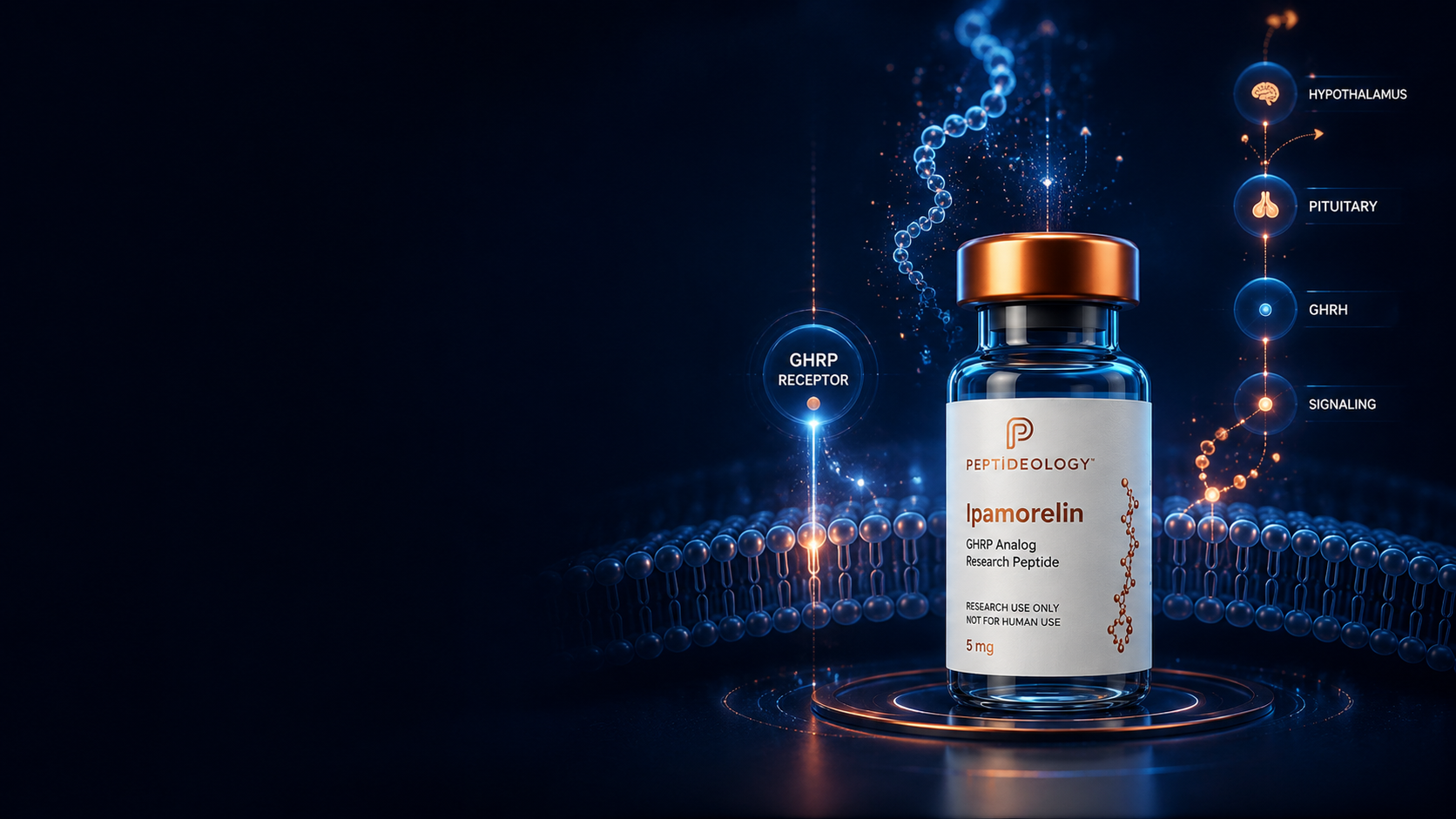
Understanding Ipamorelin's highly selective action on the ghrelin receptor and the reasons behind its dominance in growth hormone secretagogue research.
Introduction
Ipamorelin is a pentapeptide (5 amino acids) and selective growth hormone secretagogue receptor (GHS-R1a) agonist. Its unique receptor binding profile and clean selectivity have made it one of the most widely referenced compounds in growth hormone research.
What Is Ipamorelin?
Ipamorelin was developed in the mid-1990s and belongs to the GHRP (Growth Hormone Releasing Peptide) family. Unlike its predecessors GHRP-2 and GHRP-6, Ipamorelin was designed specifically to maximize GH secretion selectivity while minimizing off-target receptor activity.
The Ghrelin Receptor Pathway
Ipamorelin binds to and activates GHS-R1a (the ghrelin receptor) on pituitary somatotroph cells. This triggers intracellular calcium signaling cascades that stimulate GH exocytosis - the release of stored GH granules from the cell. The result is a distinct, pulsatile burst of GH.
Selectivity Advantage
The defining characteristic of Ipamorelin is its receptor selectivity. While GHRP-2 and GHRP-6 also activate receptors for ACTH (adrenocorticotropic hormone) and prolactin - leading to cortisol and prolactin elevation - Ipamorelin shows minimal activity at these receptors. This allows researchers to study isolated GH secretion without confounding hormonal variables.
Research Applications
Ipamorelin is studied for its role in GH-axis biology, body composition research (lean mass vs. adipose tissue ratios), bone density studies, sleep architecture research (as GH is primarily secreted during slow-wave sleep), and anti-aging investigations.
Combination Use
Ipamorelin is frequently combined with CJC-1295 (a GHRH analogue) to produce synergistic GH amplification. While Ipamorelin generates the GH pulse, CJC-1295 amplifies its magnitude by simultaneously stimulating GHRH receptors - two complementary receptor systems.
Conclusion
Ipamorelin's specificity profile, well-characterized mechanism, and safe selectivity make it a cornerstone research compound in the GH secretagogue category. Its utility in both standalone and combination protocols has cemented its position as one of the most studied peptides in endocrine research.
Frequently Asked Questions
More in Hormone Optimization
 Hormone Optimization
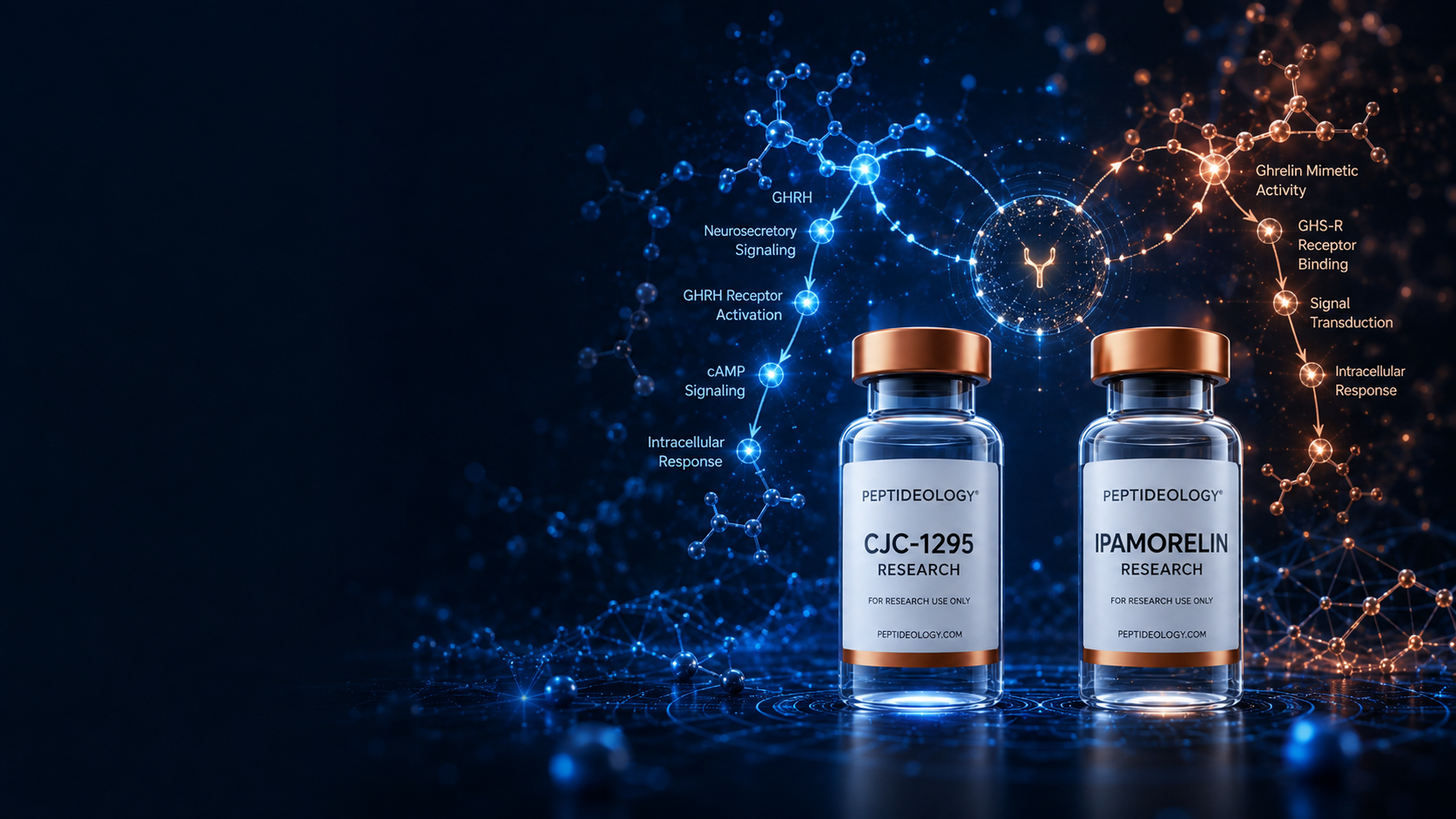
CJC-1295 vs Ipamorelin: What's the Difference and Why Are They Often Combined?
A comparative analysis of two popular growth hormone secretagogues and the scientific rationale for their synergistic combined use in research protocols.
 Weight Management
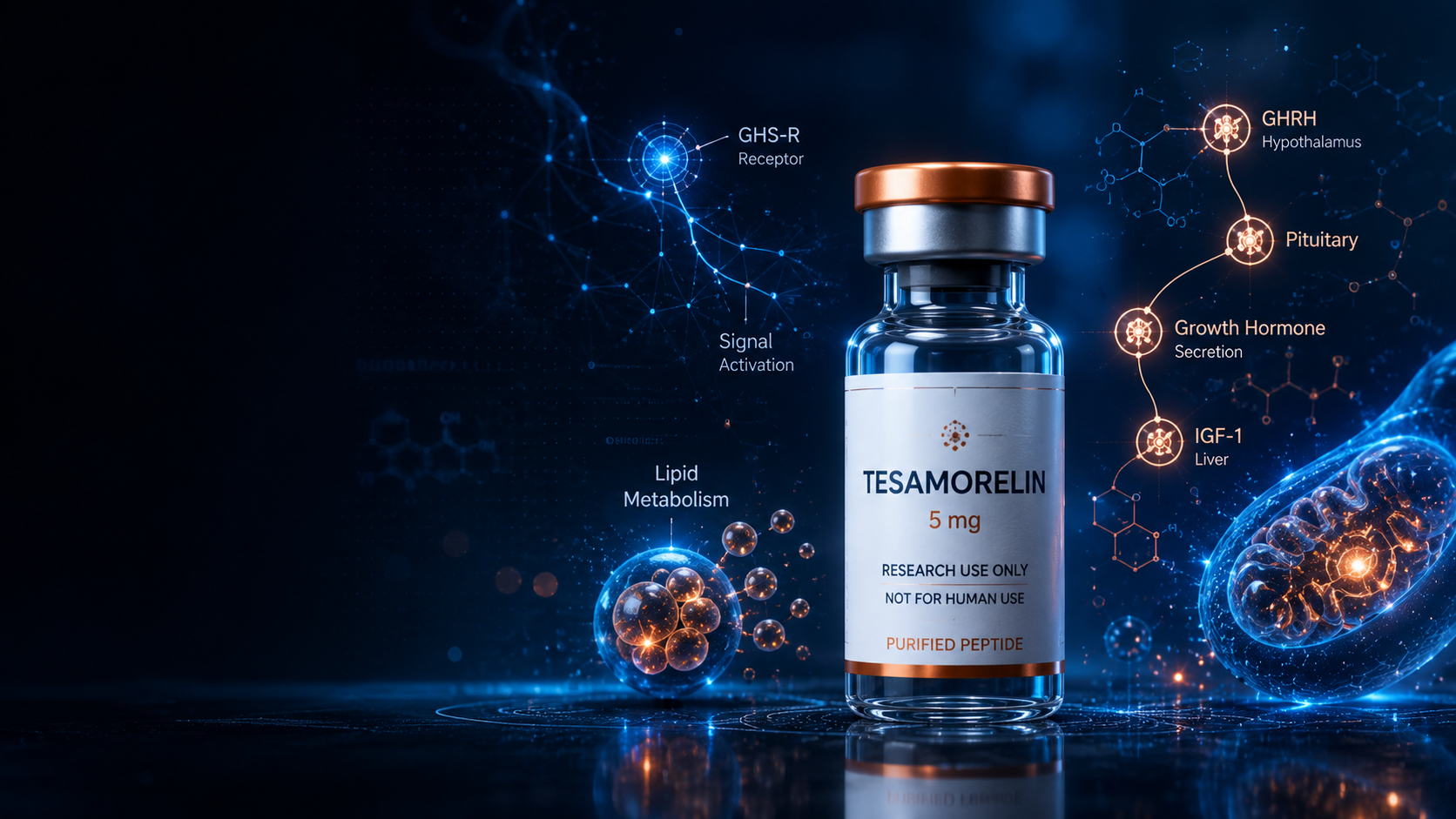
The Science Behind Tesamorelin: Why It's Popular in Metabolic Research
Understanding the unique properties of Tesamorelin, its FDA-approved origins, and its widespread application in visceral adiposity and lipid metabolism research.
 Hormone Optimization
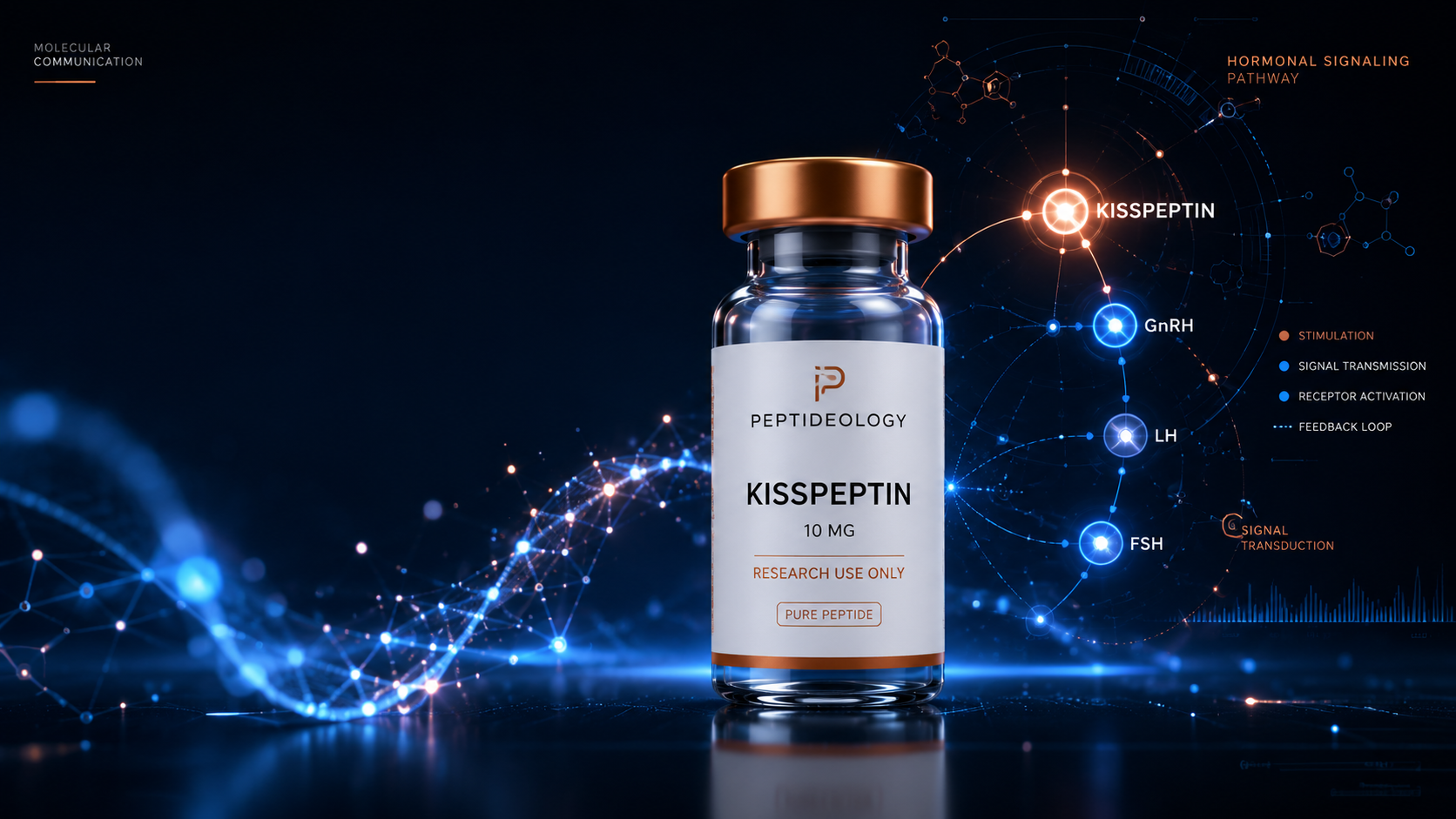
Kisspeptin Explained: The Peptide Being Studied for Hormonal Signaling
Explore the profound influence Kisspeptin exerts upstream on the hypothalamic-pituitary-gonadal (HPG) axis and its implications for reproductive endocrinology research.