
Kisspeptin Explained: The Peptide Being Studied for Hormonal Signaling
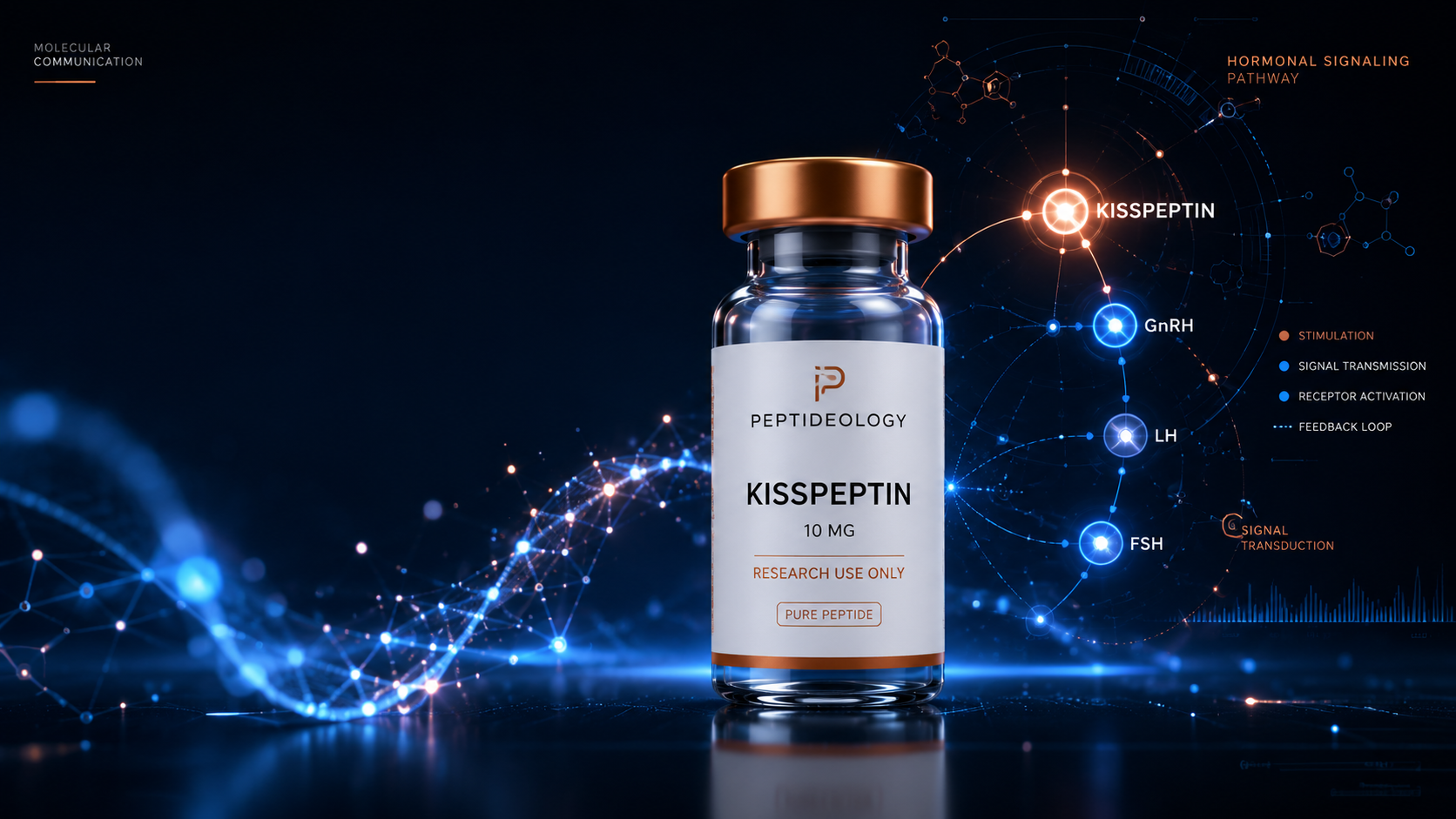
Explore the profound influence Kisspeptin exerts upstream on the hypothalamic-pituitary-gonadal (HPG) axis and its implications for reproductive endocrinology research.
Introduction
Kisspeptin is a neuropeptide encoded by the KISS1 gene, acting as the master upstream regulator of the hypothalamic-pituitary-gonadal (HPG) axis. Its discovery in the late 1990s revolutionized our understanding of the neuroendocrine control of reproduction.
What Is Kisspeptin?
Kisspeptin refers to a family of related peptides (54, 14, 13, and 10 amino acid isoforms) derived from the KISS1 gene product. Kisspeptin-10 (the C-terminal decapeptide) is the most commonly studied isoform in research settings due to its potent biological activity.
The HPG Axis
The hypothalamic-pituitary-gonadal (HPG) axis is the central regulatory pathway for reproductive function. Kisspeptin neurons in the hypothalamus (particularly in the arcuate nucleus and anteroventral periventricular nucleus) act as the primary gatekeepers of this axis.
Mechanism of Action
Kisspeptin binds to its receptor Kiss1R (also called GPR54) on GnRH (gonadotropin-releasing hormone) neurons in the hypothalamus. This triggers the pulsatile release of GnRH, which in turn stimulates the anterior pituitary to release LH (luteinizing hormone) and FSH (follicle-stimulating hormone), ultimately driving gonadal steroid production.
Reproductive Endocrinology Research
Kisspeptin research has illuminated the mechanisms behind puberty onset, seasonal breeding in animals, sex steroid feedback loops, and conditions like hypogonadotropic hypogonadism. It is studied as a potential diagnostic and research tool for fertility investigations.
Beyond Reproduction
Emerging research identifies Kisspeptin roles outside the reproductive axis including glucose homeostasis, bone metabolism, and emotional behavior. Some studies suggest Kisspeptin influences limbic system function, potentially modulating social and emotional signaling.
Conclusion
Kisspeptin represents one of the most important neuroendocrine discoveries of the past three decades. As the master switch for the HPG axis, it offers a uniquely powerful tool for studying the entire cascade of reproductive hormonal signaling from a single entry point.
Frequently Asked Questions
More in Hormone Optimization
 Hormone Optimization
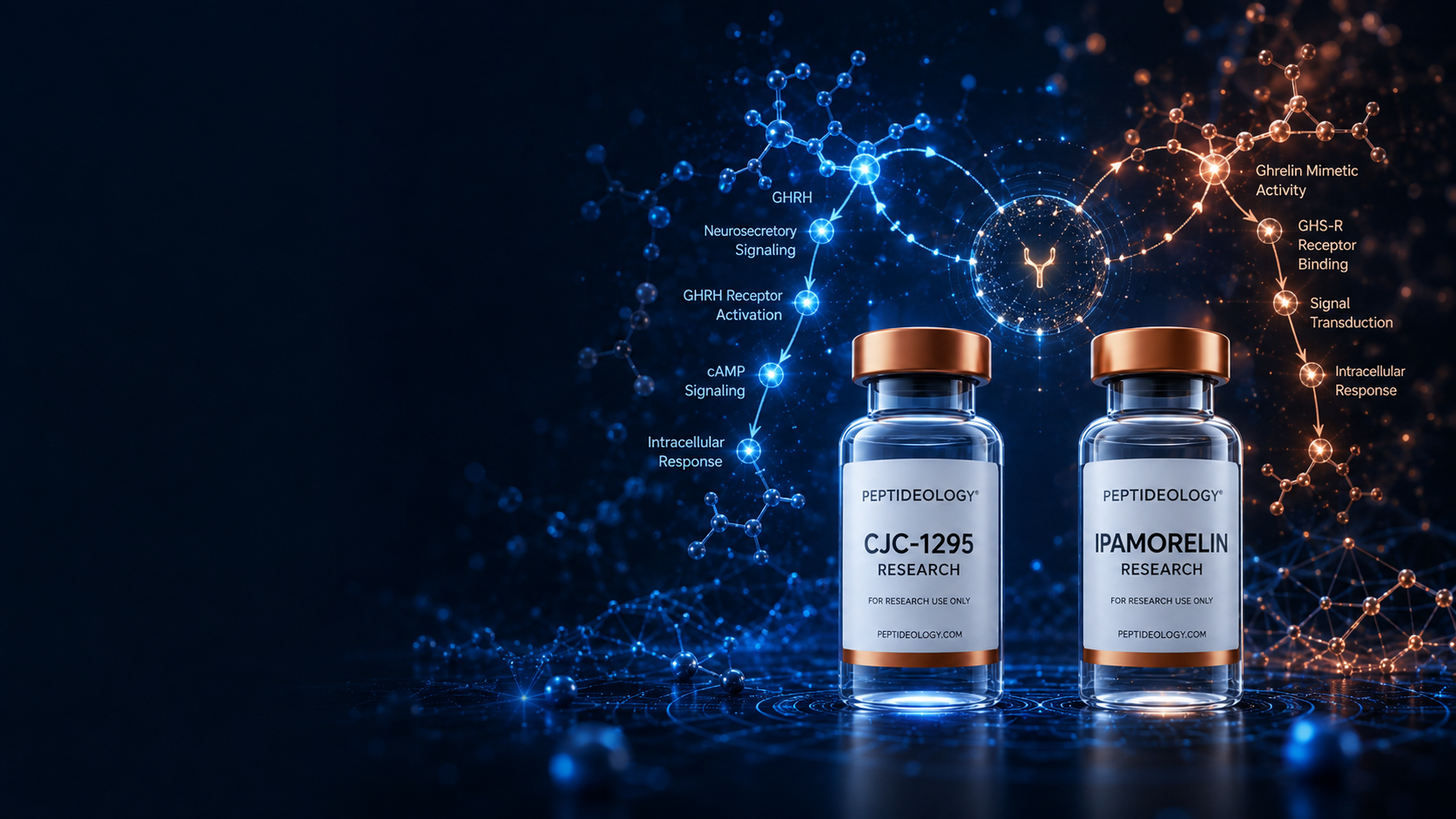
CJC-1295 vs Ipamorelin: What's the Difference and Why Are They Often Combined?
A comparative analysis of two popular growth hormone secretagogues and the scientific rationale for their synergistic combined use in research protocols.
 Hormone Optimization
Ipamorelin Explained: Why It's One of the Most Popular Growth Hormone Secretagogues
Understanding Ipamorelin's highly selective action on the ghrelin receptor and the reasons behind its dominance in growth hormone secretagogue research.