
CJC-1295 vs Ipamorelin: What's the Difference and Why Are They Often Combined?
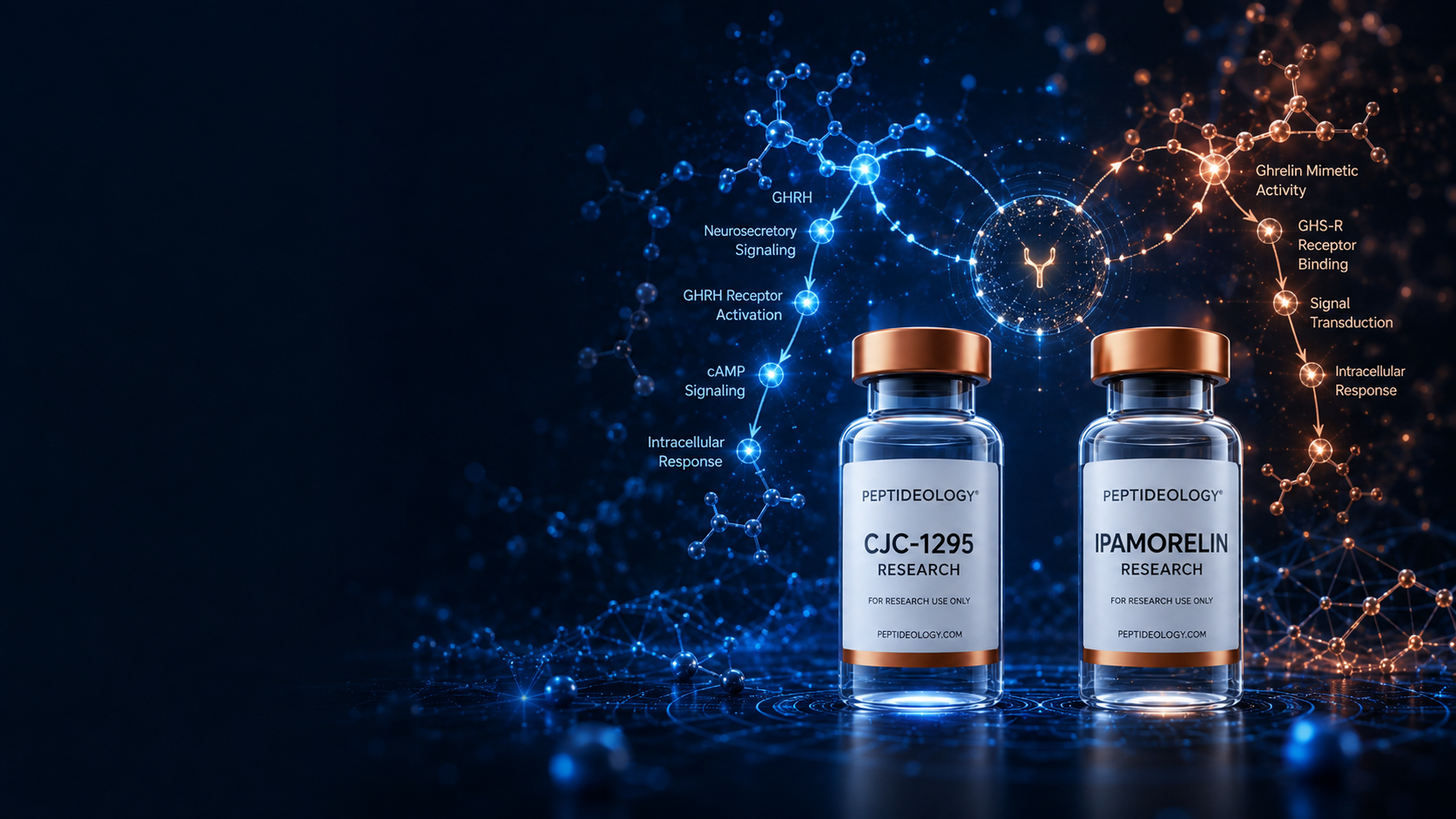
A comparative analysis of two popular growth hormone secretagogues and the scientific rationale for their synergistic combined use in research protocols.
Introduction
CJC-1295 and Ipamorelin are two of the most frequently studied peptides in the growth hormone (GH) secretagogue category. While both stimulate GH release, they do so through completely different receptor pathways - making their combination a subject of significant research interest.
What Is CJC-1295?
CJC-1295 is a synthetic analogue of Growth Hormone Releasing Hormone (GHRH). It binds to the GHRH receptor on pituitary somatotroph cells, stimulating the natural pulsatile release of growth hormone. The DAC (Drug Affinity Complex) version extends its half-life significantly.
What Is Ipamorelin?
Ipamorelin is a selective growth hormone secretagogue and ghrelin mimetic. It binds to the GHS-R1a (ghrelin) receptor, triggering GH release. Unlike some other secretagogues, Ipamorelin is noted for its high selectivity - it does not significantly raise cortisol or prolactin levels.
Key Differences
CJC-1295 works via the GHRH receptor (amplifying the GH pulse), while Ipamorelin works via the ghrelin receptor (generating the GH pulse). These complementary mechanisms operate on distinct receptor systems.
Why They Are Combined
When administered together, CJC-1295 and Ipamorelin work synergistically. Ipamorelin generates the GH pulse, while CJC-1295 amplifies its magnitude. Researchers observe significantly greater GH output from the combination vs. either compound alone.
Research Considerations
Studies have examined the GH release patterns, IGF-1 elevation, and downstream anabolic effects of GHRH/GHRP combinations. The no-DAC version of CJC-1295 is typically preferred in combination protocols because it maintains more natural pulsatile GH release.
Conclusion
CJC-1295 and Ipamorelin represent an excellent example of synergistic peptide research. Their distinct receptor targets make them highly complementary in studies targeting the GH axis.
Frequently Asked Questions
More in Hormone Optimization
 Weight Management
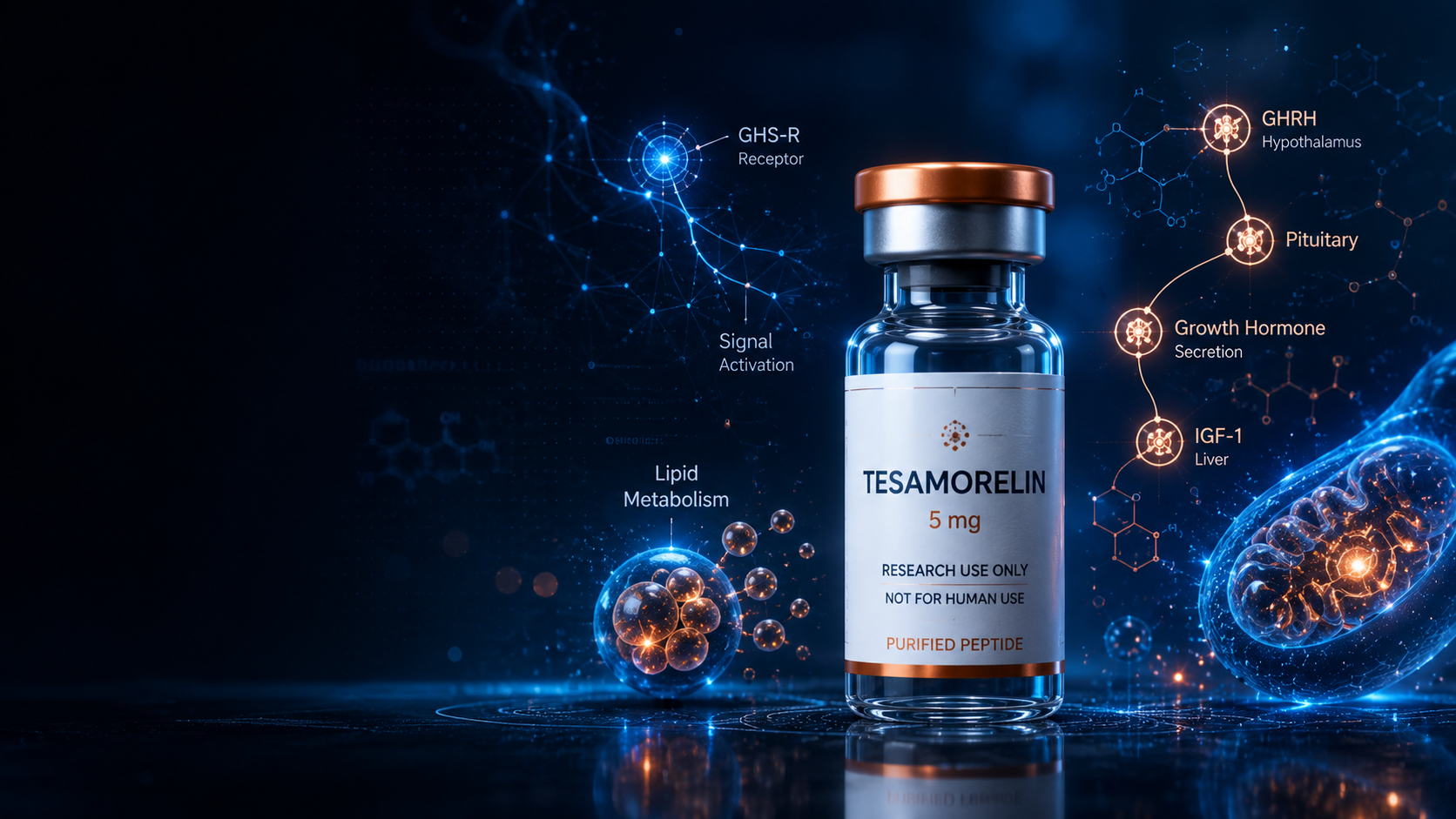
The Science Behind Tesamorelin: Why It's Popular in Metabolic Research
Understanding the unique properties of Tesamorelin, its FDA-approved origins, and its widespread application in visceral adiposity and lipid metabolism research.
 Hormone Optimization
Ipamorelin Explained: Why It's One of the Most Popular Growth Hormone Secretagogues
Understanding Ipamorelin's highly selective action on the ghrelin receptor and the reasons behind its dominance in growth hormone secretagogue research.
 Hormone Optimization
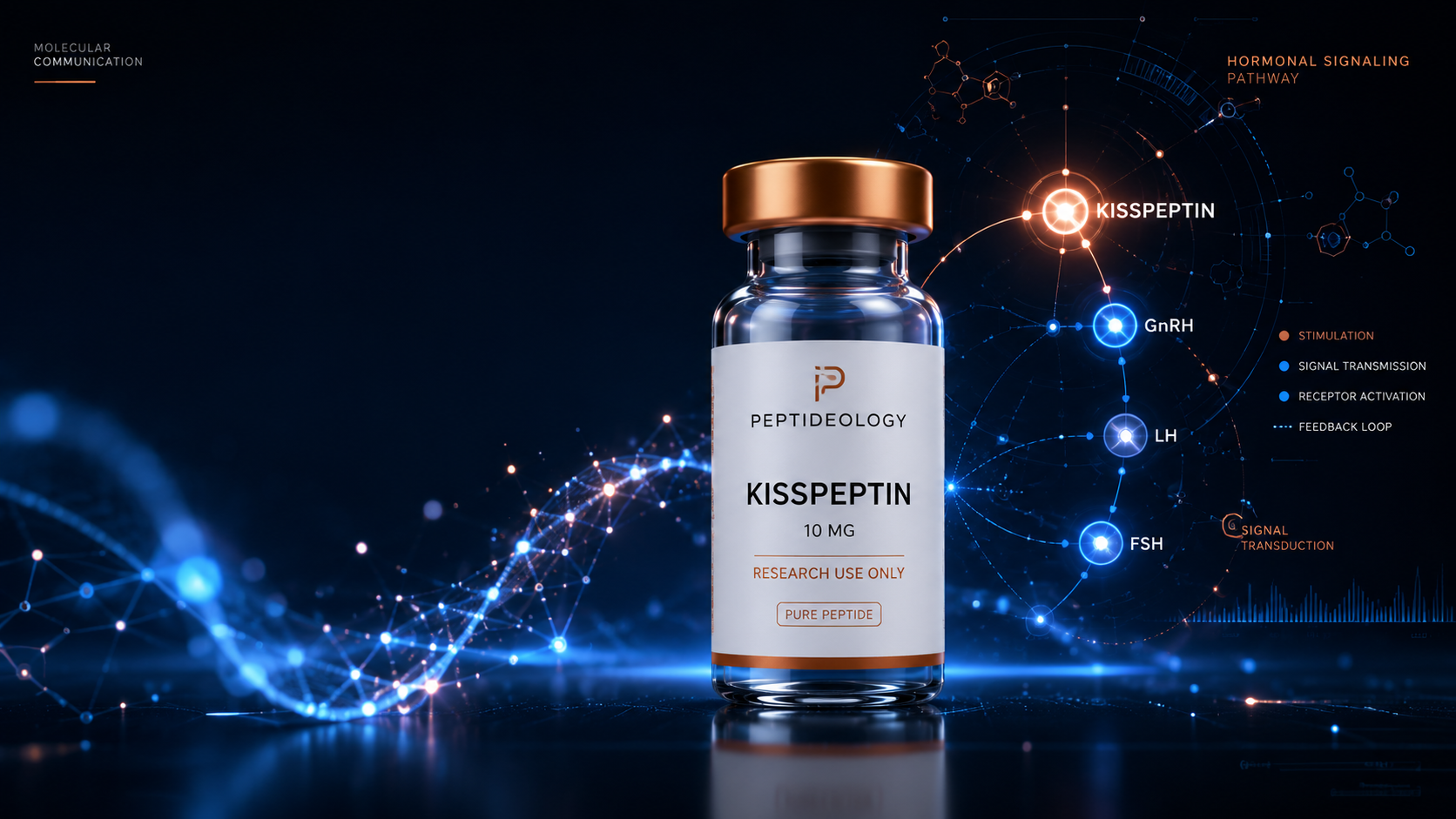
Kisspeptin Explained: The Peptide Being Studied for Hormonal Signaling
Explore the profound influence Kisspeptin exerts upstream on the hypothalamic-pituitary-gonadal (HPG) axis and its implications for reproductive endocrinology research.