
What Is GHK-Cu? The Copper Peptide Behind Skin and Hair Research
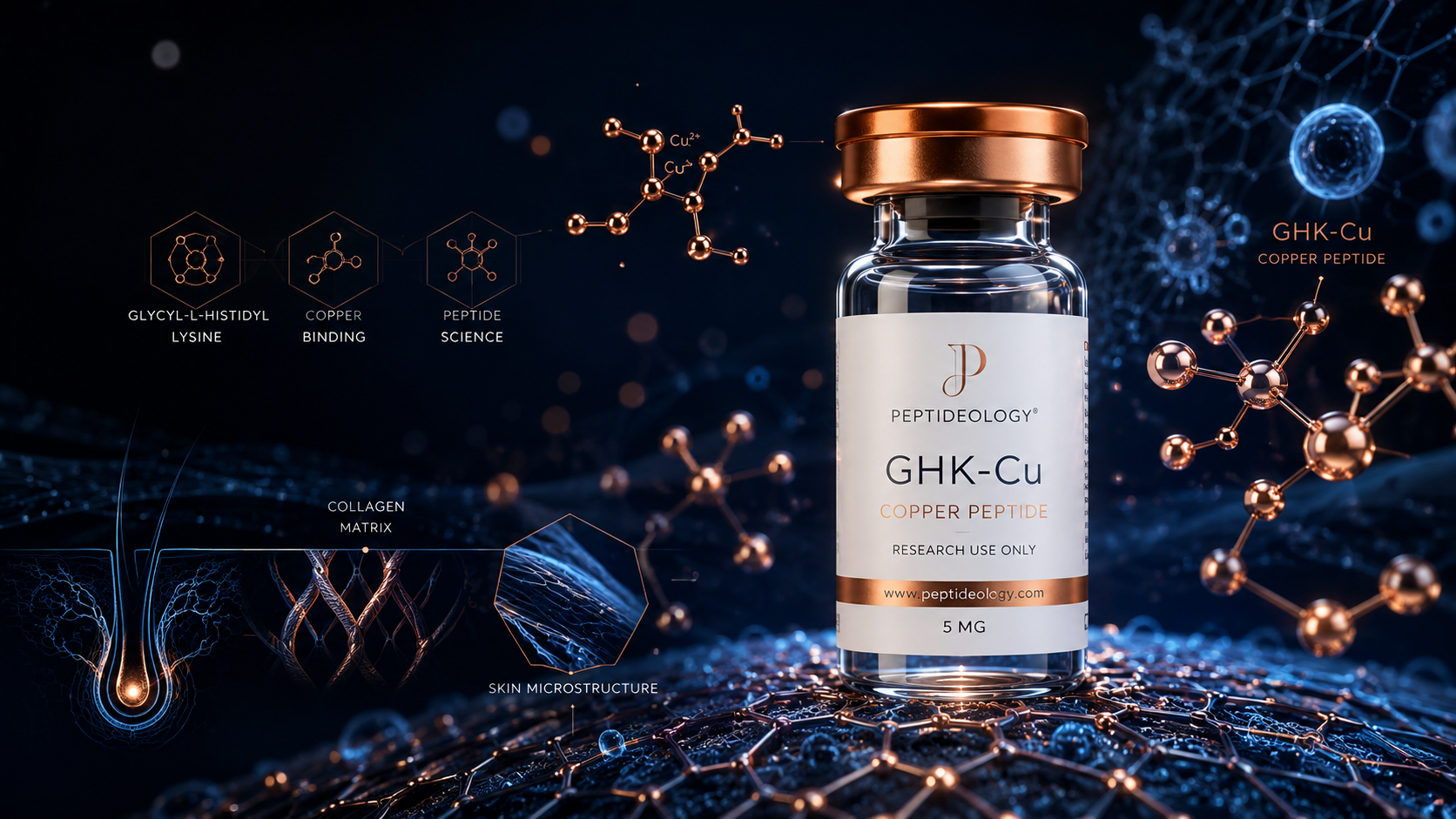
Explore the tripeptide GHK-Cu, its structural copper-binding affinity, and its widespread investigation in skin regeneration, wound healing, and anti-aging research.
Introduction
GHK-Cu (glycyl-l-histidyl-l-lysine copper) is a naturally occurring tripeptide with a strong affinity for copper ions (Cu2+). First isolated from human plasma in 1973 by Loren Pickart, GHK-Cu has since become one of the most studied peptides in dermatological and regenerative biology.
Structure of GHK-Cu
GHK-Cu consists of three amino acids - glycine, histidine, and lysine - complexed with a copper ion. The copper chelation is essential to its biological activity: copper serves as a cofactor for several enzymes involved in tissue repair and antioxidant defense.
Mechanism of Action
GHK-Cu activates multiple repair mechanisms including upregulation of collagen and glycosaminoglycan synthesis, modulation of metalloproteinase (MMP) activity, antioxidant defense activation, and stimulation of nerve growth factor (NGF). It also exerts significant anti-inflammatory effects.
Skin Research Applications
GHK-Cu is extensively studied in the context of skin aging. Research has demonstrated its ability to stimulate collagen synthesis, improve skin laxity and elasticity, reduce wrinkle depth, and accelerate wound contraction in both in vitro and in vivo models.
Hair Biology Research
Studies examining GHK-Cu in hair follicle biology have found it can stimulate hair follicle cells, improve follicle size, and may counter androgenic effects on hair loss through growth factor regulation. This makes it a subject of growing interest in trichology research.
Genetic Expression Studies
Perhaps most remarkably, a 2010 analysis identified GHK-Cu as a modulator of over 4,000 genes - effectively resetting many aspects of the cellular transcriptome toward a healthier state. This broad gene regulatory capacity distinguishes GHK-Cu from most other studied peptides.
Conclusion
GHK-Cu's combination of structural simplicity, copper-mediated bioactivity, and broad gene regulation capabilities makes it a uniquely capable tool in anti-aging and regenerative research. Its full biological potential continues to be uncovered through ongoing study.
Frequently Asked Questions
More in Longevity & Anti-Aging
 Peptide Basics
The Complete Beginner's Guide to Peptides: What They Are and How They Work
A foundational overview of peptides — exploring what they are at a molecular level, how amino acid chains form, and how they interact with cellular signaling pathways.
 Longevity & Anti-Aging
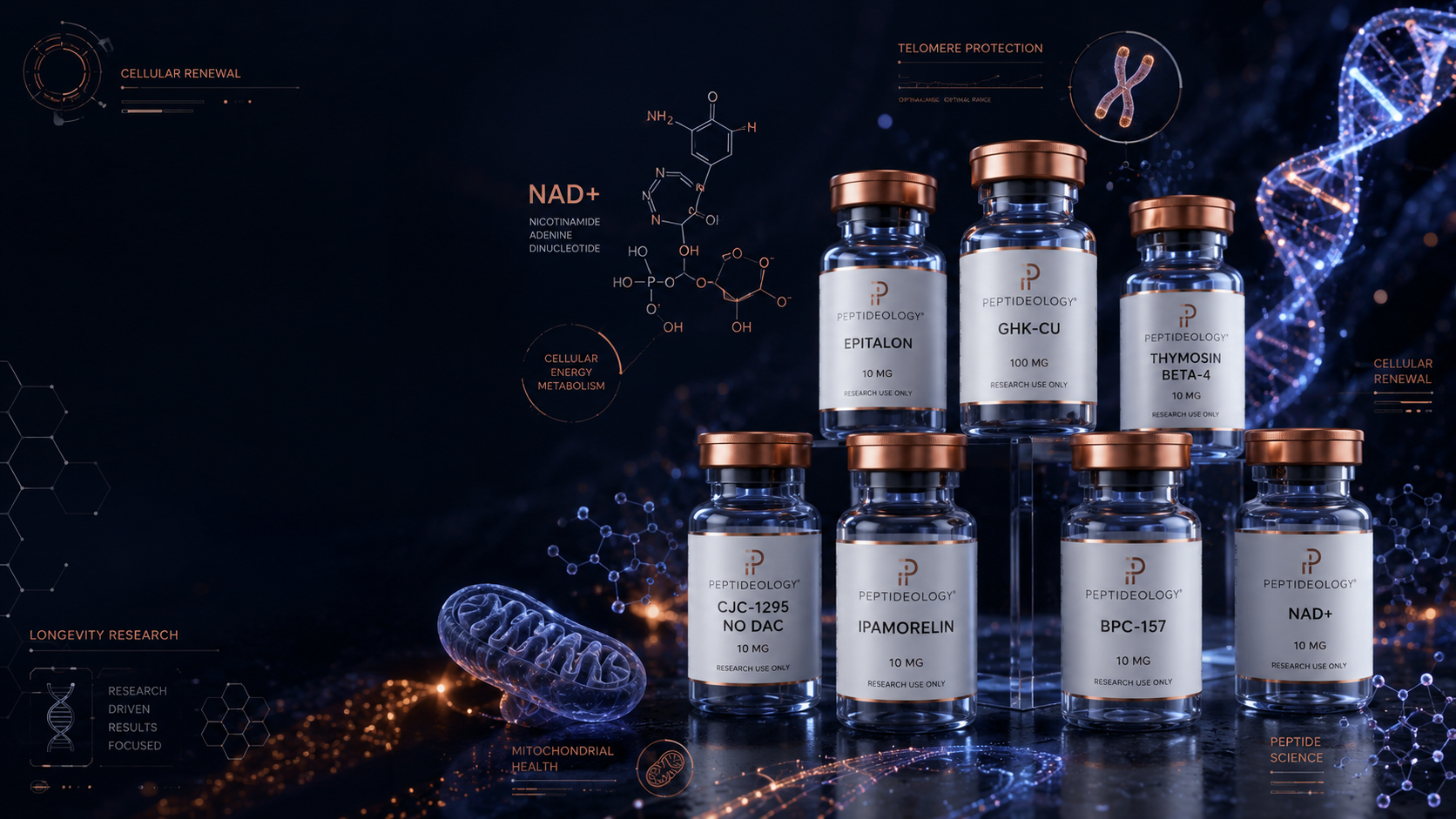
The Ultimate Guide to Anti-Aging Peptides: NAD+, Epitalon, MOTS-c and More
A comprehensive manual covering the top research compounds currently investigated for cellular longevity, telomere biology, mitochondrial health, and age deceleration.
 Longevity & Anti-Aging
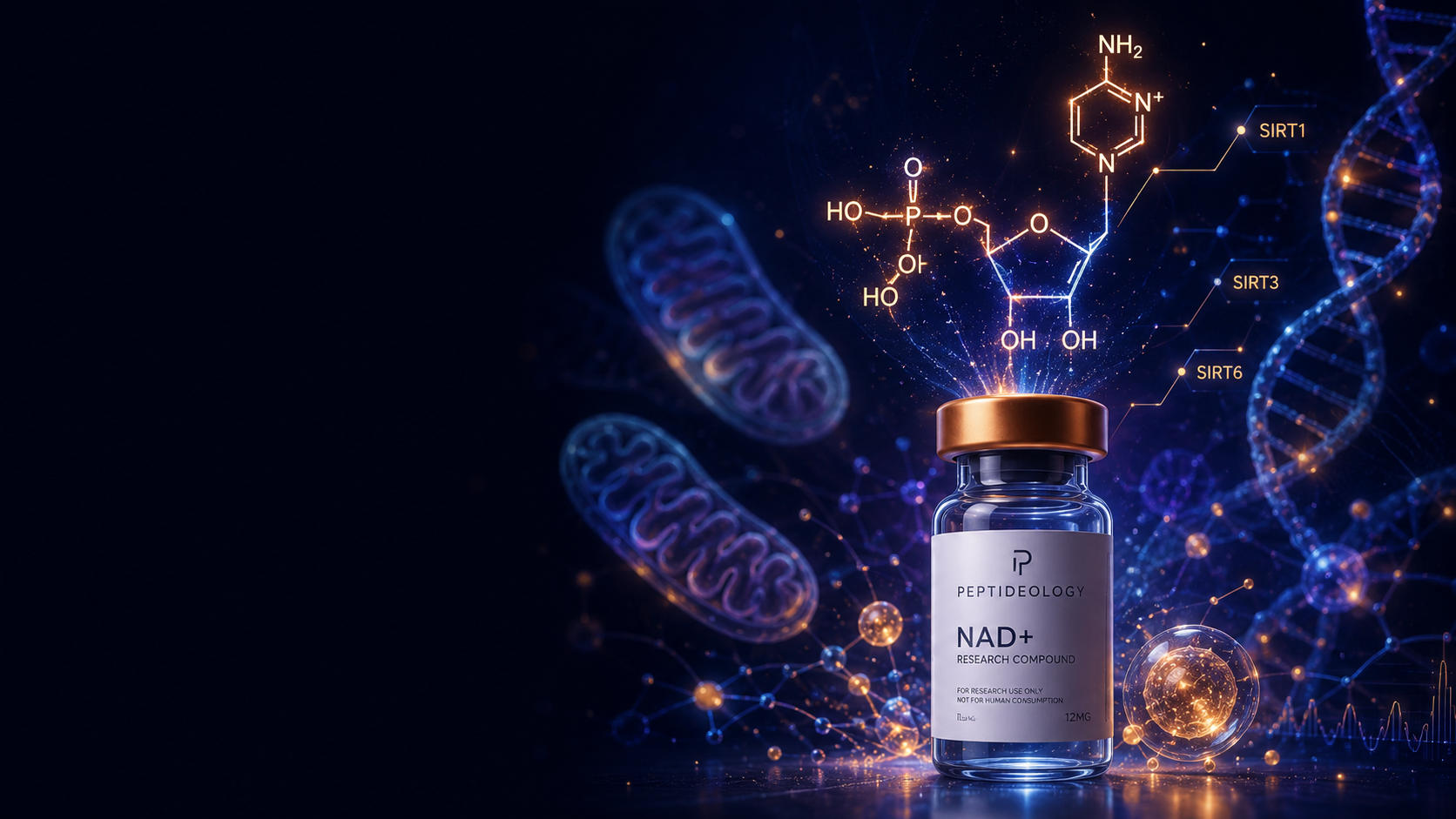
NAD+ Explained: Why It Has Become One of the Most Discussed Longevity Compounds
Explore the critical role of Nicotinamide Adenine Dinucleotide in cellular metabolism, mitochondrial function, and why it has become central to longevity research.