
The Ultimate Guide to Anti-Aging Peptides: NAD+, Epitalon, MOTS-c and More
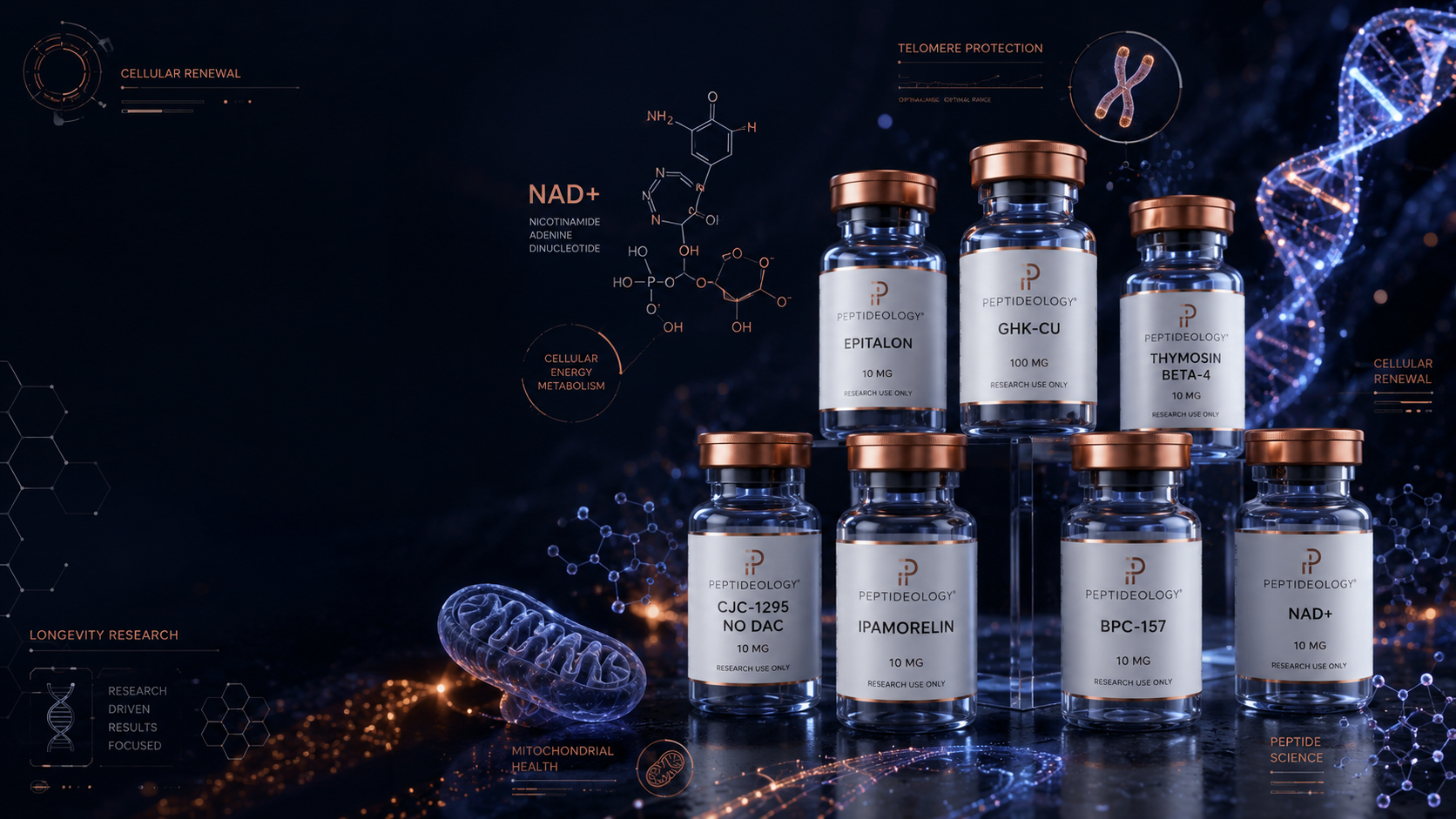
A comprehensive manual covering the top research compounds currently investigated for cellular longevity, telomere biology, mitochondrial health, and age deceleration.
Introduction
The search for compounds capable of modifying the fundamental biology of aging represents one of the most ambitious frontiers in modern research. This guide comprehensively reviews the research peptides and molecules most frequently investigated in longevity science.
Hallmarks of Cellular Aging
Modern aging biology identifies multiple interconnected hallmarks: genomic instability, telomere attrition, epigenetic alterations, loss of proteostasis, deregulated nutrient sensing, mitochondrial dysfunction, cellular senescence, stem cell exhaustion, and altered intercellular communication. Understanding these hallmarks guides research compound selection.
NAD+ and the Sirtuin Pathway
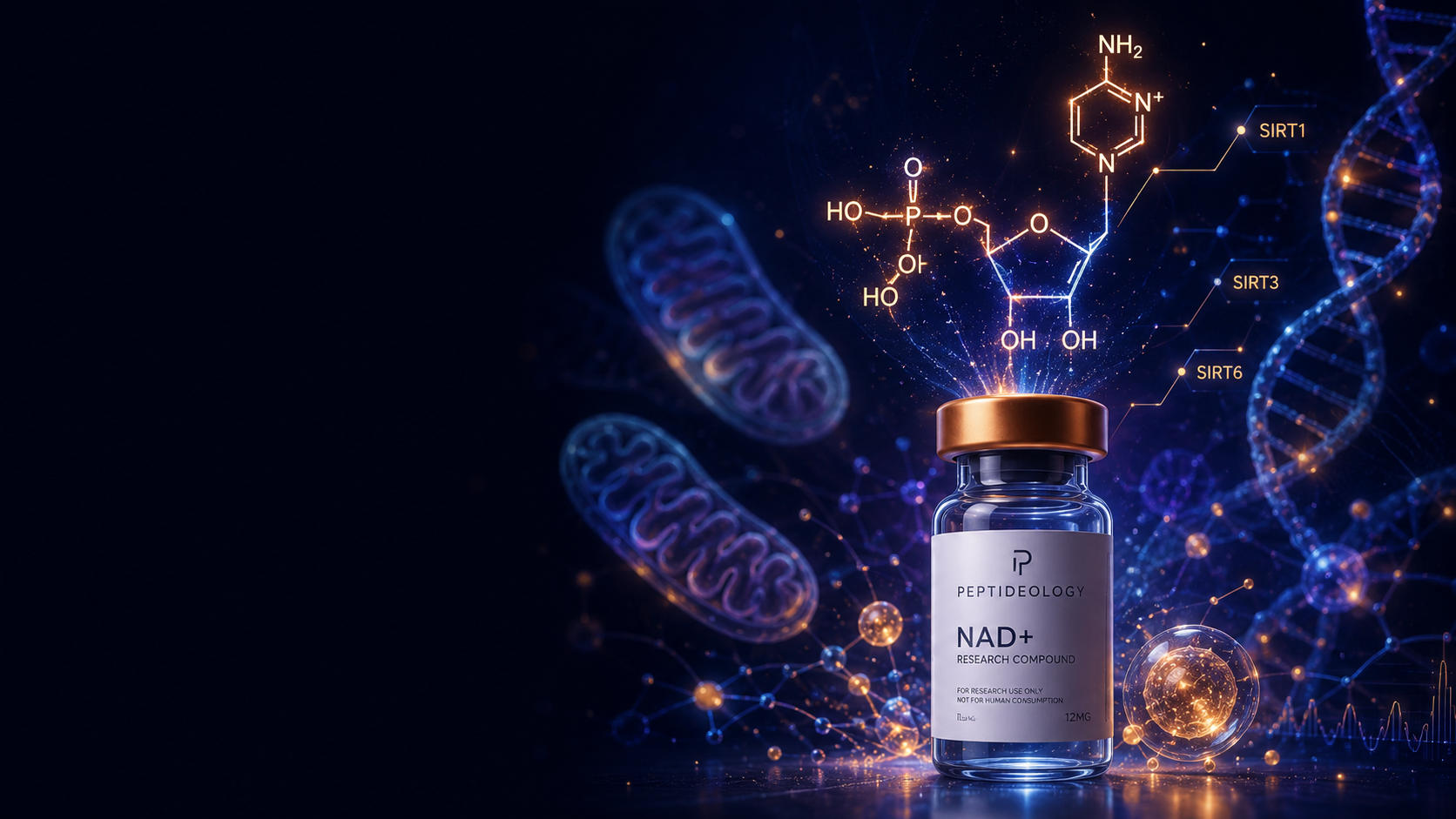
NAD+ is arguably the most central molecule in longevity research. As a cofactor for sirtuin enzymes (SIRT1-SIRT7), NAD+ enables genetic regulation, metabolic efficiency, and DNA repair. Its progressive depletion with age is one of the most reproducible biomarkers of the aging process. NAD+ 500mg and 1000mg formulations allow researchers to study restoration strategies across a range of model systems.
Epitalon and Telomere Biology
Epitalon (Epithalon) is a synthetic tetrapeptide (Ala-Glu-Asp-Gly) developed by the late Professor Vladimir Khavinson. Its most notable proposed mechanism is the activation of telomerase - the enzyme that extends telomeres, the protective caps at chromosome ends that shorten with each cell division. Research in cell culture and animal models has explored its effects on telomere length, immune function, and pineal hormone regulation.
MOTS-c and Mitochondrial Health
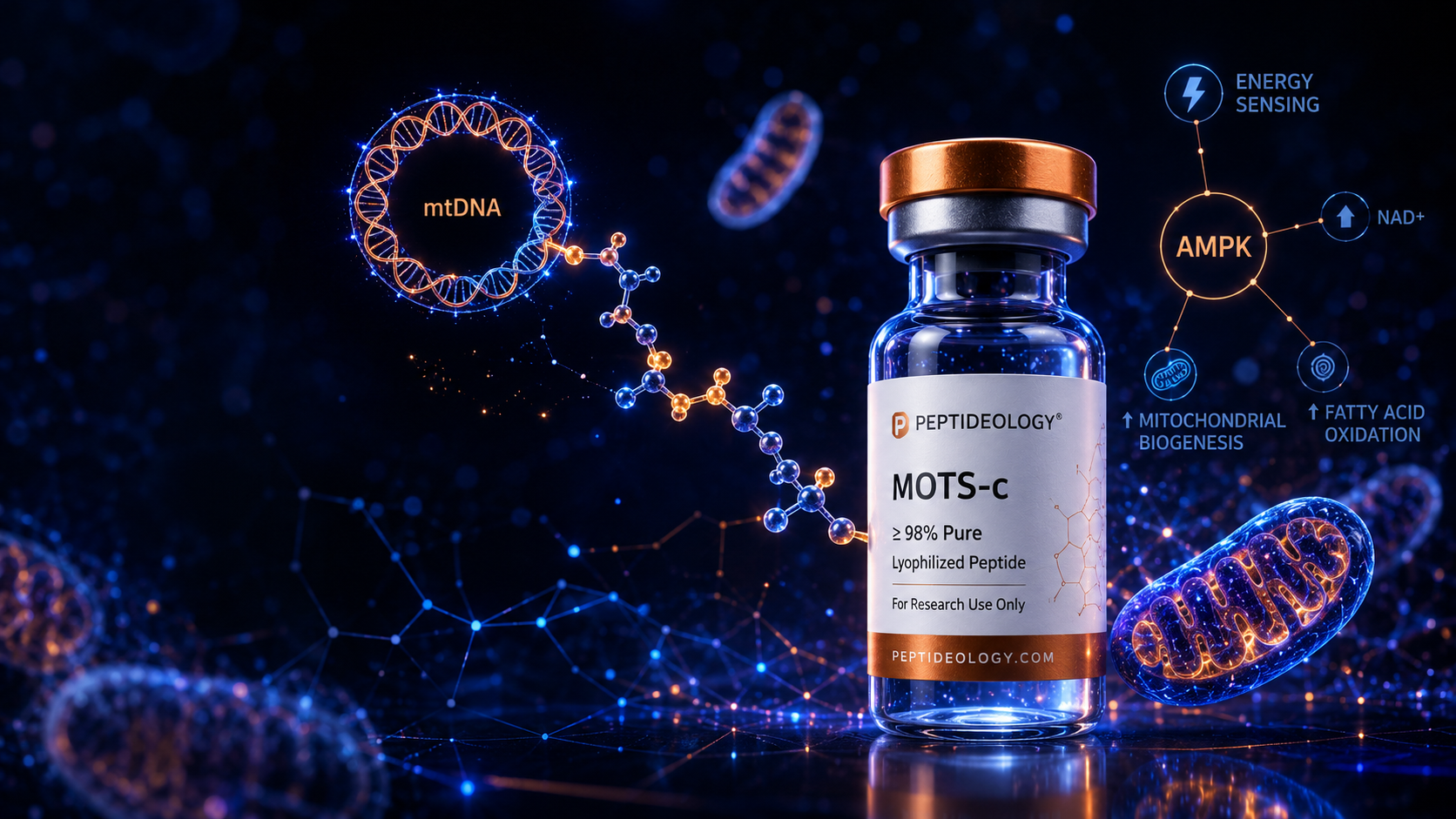
MOTS-c is a mitochondria-encoded peptide that activates AMPK and improves mitochondrial biogenesis. As mitochondrial dysfunction is a core hallmark of aging, MOTS-c provides a direct research tool for studying and potentially reversing age-related mitochondrial decline. Its exercise-mimetic properties add additional research dimensions.
GHK-Cu and Gene Regulation
GHK-Cu's extraordinary capacity to modulate over 4,000 human genes - many involved in regeneration, antioxidant defense, and anti-inflammatory pathways - positions it as one of the most broadly impactful research compounds in the longevity category. It provides a unique window into systemic gene regulation in the context of aging.
Other Notable Longevity Compounds
Additional peptides under active longevity investigation include: Humanin (another mitochondria-derived peptide), VIP (vasoactive intestinal peptide with immune and neuroprotective properties), Thymosin Alpha-1 (thymic immune restoration), and DSIP (delta sleep-inducing peptide with circadian regulation research applications).
Building a Research Protocol
Effective longevity research often employs multi-compound protocols targeting several hallmarks simultaneously. A comprehensive research stack addressing NAD+ metabolism (via NAD+), telomere biology (Epitalon), mitochondrial function (MOTS-c), and gene regulation (GHK-Cu) covers multiple axes of the aging process concurrently.
Conclusion
The longevity peptide research landscape is rapidly evolving. The compounds reviewed in this guide represent the current leading edge of scientific investigation, each targeting distinct molecular mechanisms of the aging process. This educational resource will continue to be updated as new compounds and findings emerge.
Frequently Asked Questions
More in Longevity & Anti-Aging
 Longevity & Anti-Aging
NAD+ Explained: Why It Has Become One of the Most Discussed Longevity Compounds
Explore the critical role of Nicotinamide Adenine Dinucleotide in cellular metabolism, mitochondrial function, and why it has become central to longevity research.
 Weight Management
What Is MOTS-c? The Mitochondrial Peptide That Has Researchers Talking
An overview of the mitochondria-derived peptide MOTS-c and its implications for metabolic regulation, insulin sensitivity, and exercise-mimetic research.
 Longevity & Anti-Aging
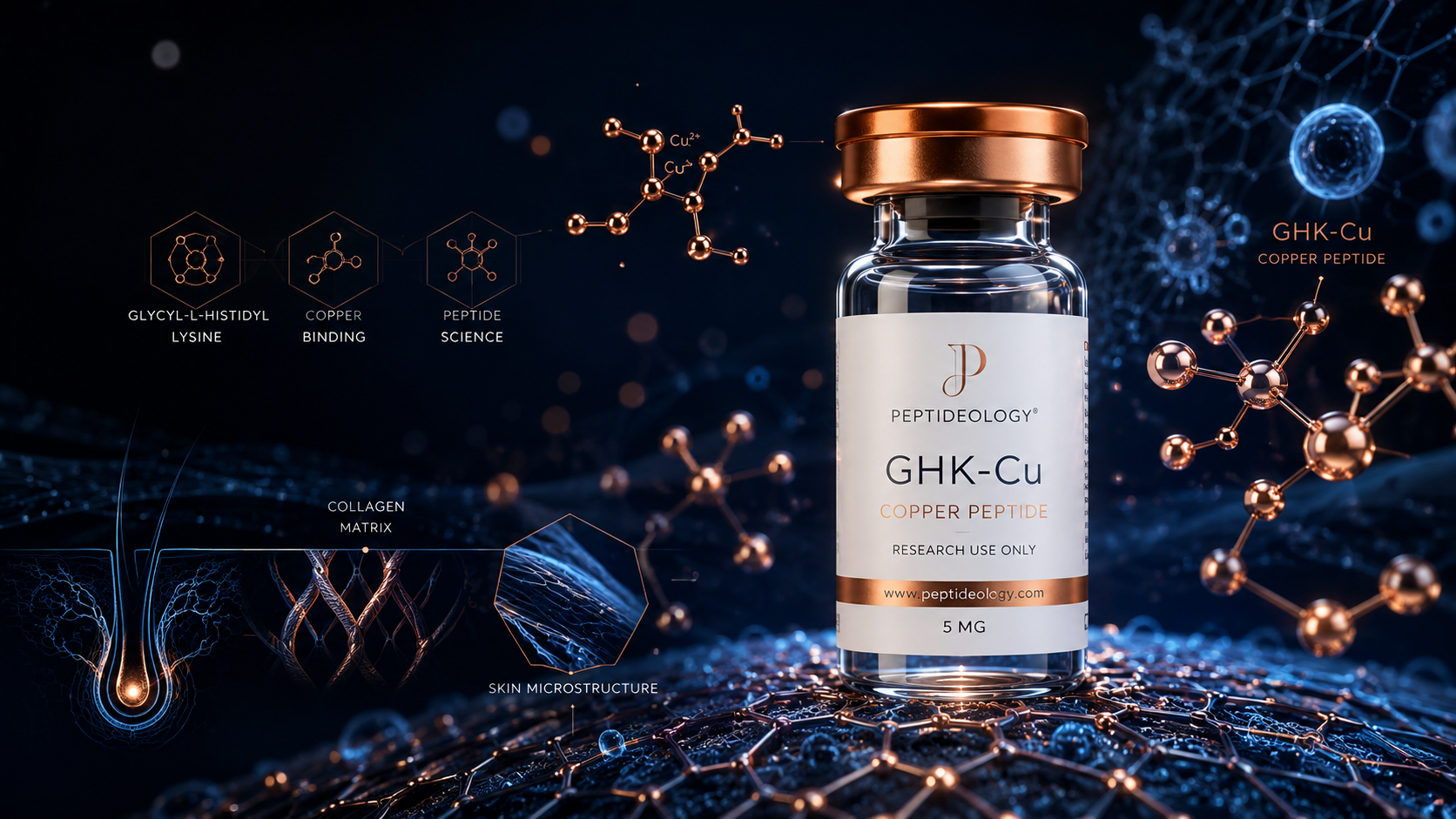
What Is GHK-Cu? The Copper Peptide Behind Skin and Hair Research
Explore the tripeptide GHK-Cu, its structural copper-binding affinity, and its widespread investigation in skin regeneration, wound healing, and anti-aging research.