
NAD+ Explained: Why It Has Become One of the Most Discussed Longevity Compounds
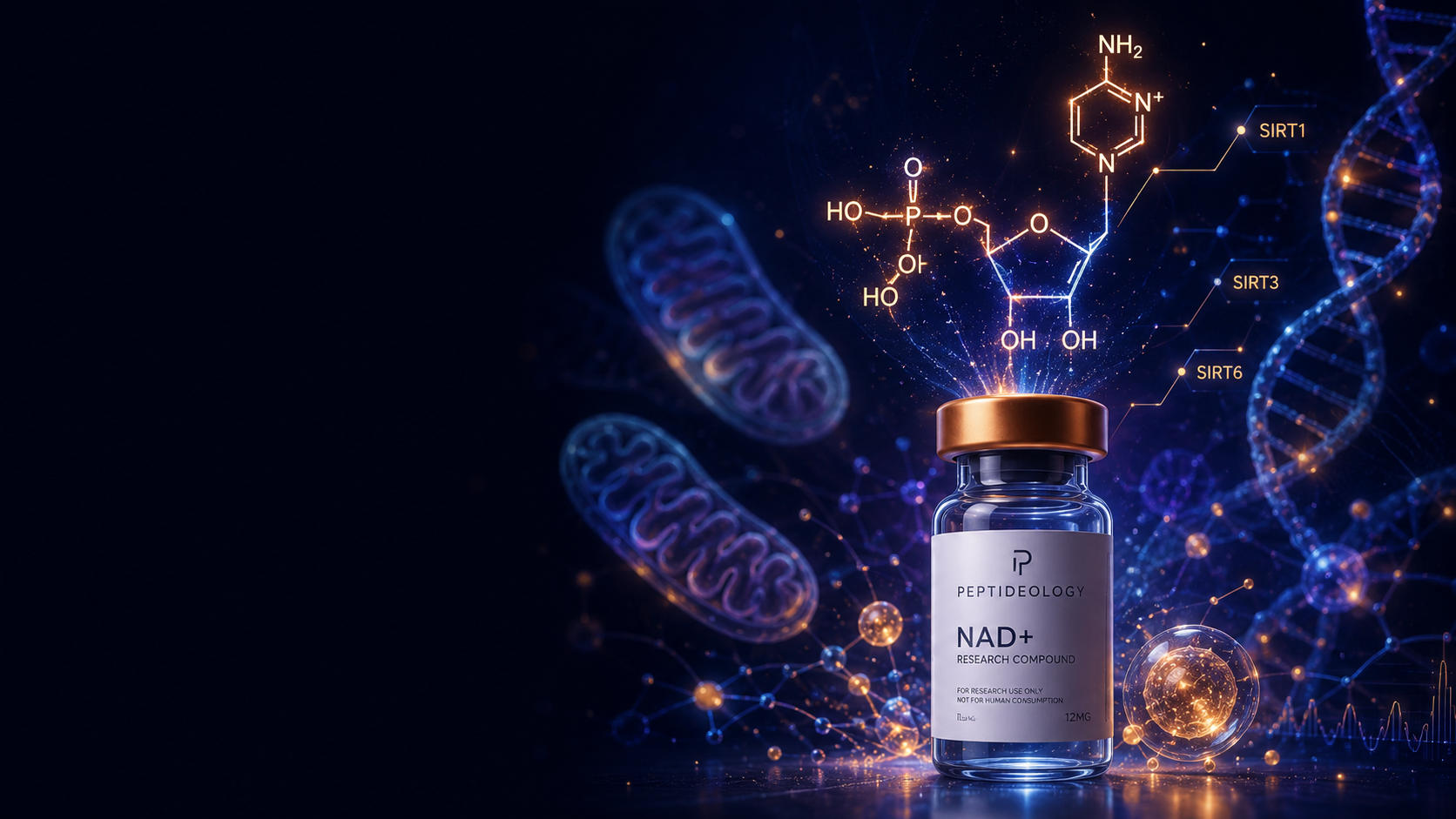
Explore the critical role of Nicotinamide Adenine Dinucleotide in cellular metabolism, mitochondrial function, and why it has become central to longevity research.
Introduction
NAD+ (Nicotinamide Adenine Dinucleotide) is a coenzyme present in every living cell. Its central role in energy metabolism, DNA repair, and cellular signaling has made it one of the most studied molecules in geroscience and longevity research over the past decade.
What Is NAD+?
NAD+ is a dinucleotide - a molecule built from two nucleotides joined through their phosphate groups. It exists in two forms: an oxidized (NAD+) and a reduced (NADH) form. This redox cycling is fundamental to how cells generate and transfer energy.
NAD+ and Cellular Energy
NAD+ is a critical electron carrier in cellular respiration. During glycolysis and the citric acid cycle, NAD+ accepts electrons to form NADH. This NADH then donates electrons to the mitochondrial electron transport chain, driving the production of ATP - the cell's primary energy currency.
The Role of Sirtuins
NAD+ is an essential cofactor for sirtuin enzymes (SIRT1-SIRT7), a family of proteins sometimes called "longevity genes." Sirtuins regulate critical cellular processes including inflammation, apoptosis, metabolism, and circadian rhythms. NAD+ availability directly limits sirtuin activity.
NAD+ Decline and Aging
Research has consistently demonstrated that NAD+ levels decline significantly with age - dropping by as much as 50% between young adulthood and middle age. This decline is associated with hallmarks of aging including mitochondrial dysfunction, increased inflammation, and impaired DNA repair capacity.
Current Research Directions
Ongoing preclinical and clinical research is exploring NAD+ and its precursors (NMN, NR) for their ability to restore youthful cellular function, improve metabolic markers, enhance cognitive performance, and potentially extend healthspan in model organisms.
Conclusion
NAD+ occupies a unique position in longevity science by sitting at the intersection of energy metabolism, genetic regulation, and cellular resilience. Its research potential continues to expand as the mechanisms of aging are better understood.
Frequently Asked Questions
More in Longevity & Anti-Aging
 Weight Management
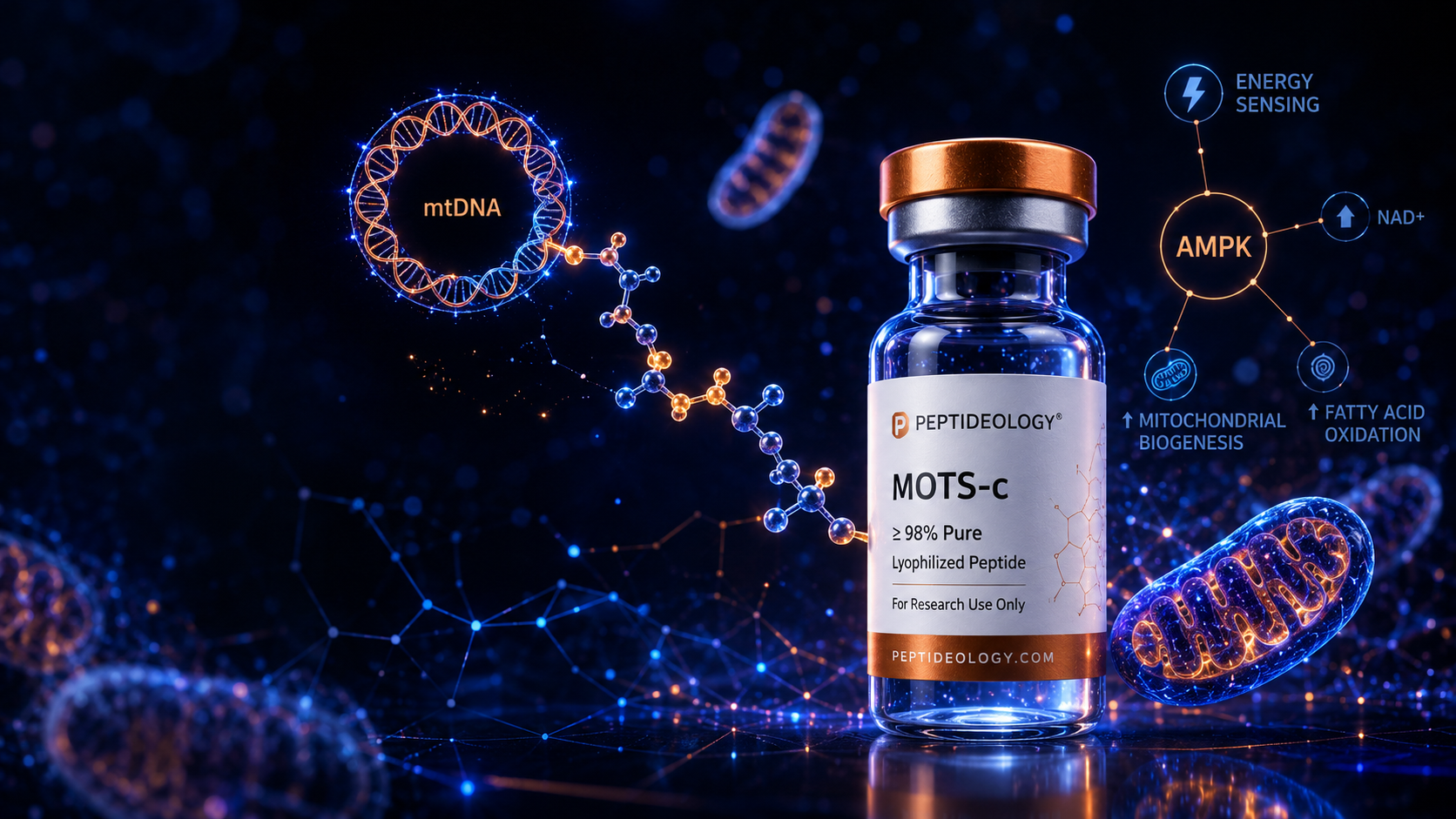
What Is MOTS-c? The Mitochondrial Peptide That Has Researchers Talking
An overview of the mitochondria-derived peptide MOTS-c and its implications for metabolic regulation, insulin sensitivity, and exercise-mimetic research.
 Longevity & Anti-Aging
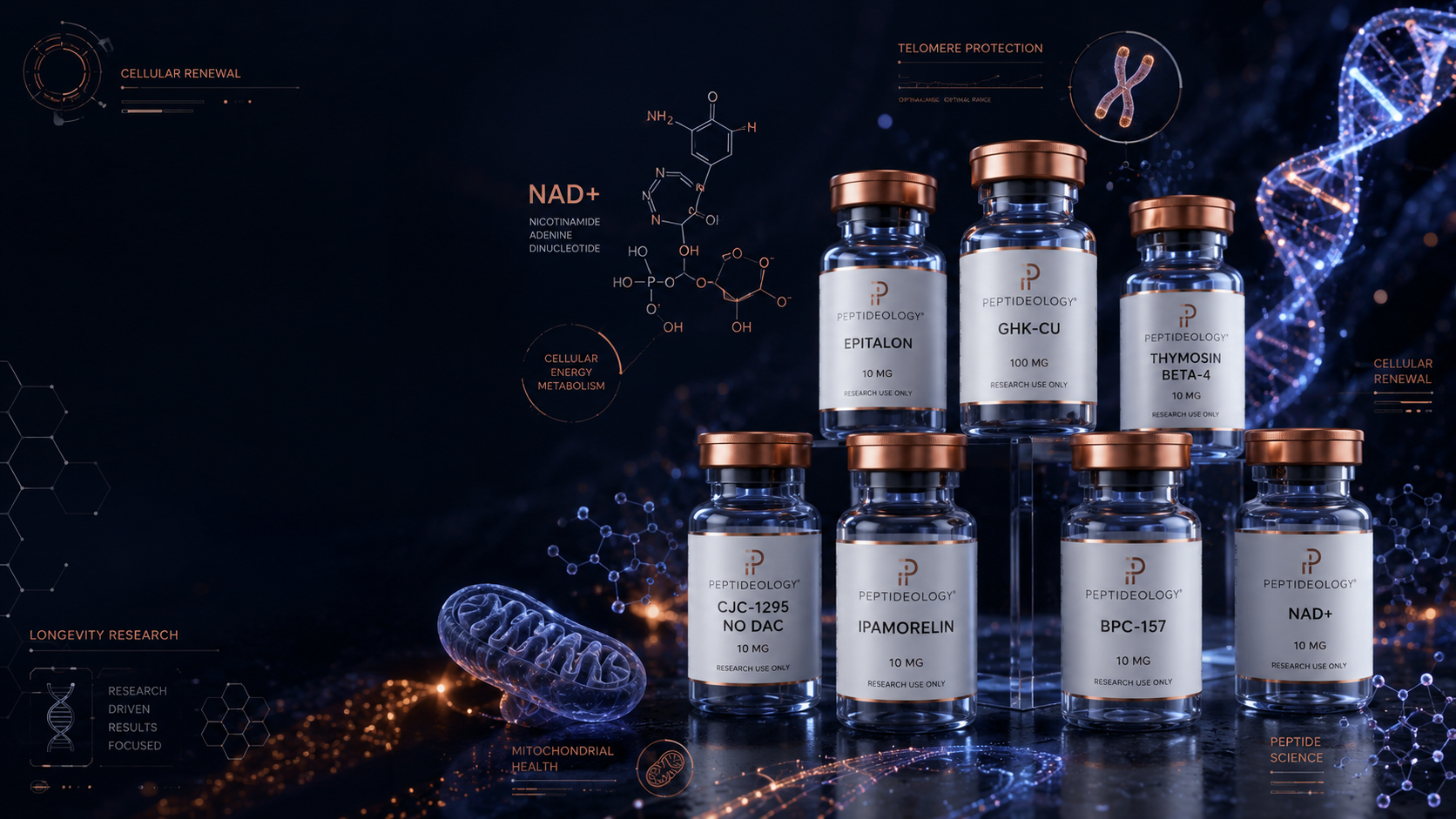
The Ultimate Guide to Anti-Aging Peptides: NAD+, Epitalon, MOTS-c and More
A comprehensive manual covering the top research compounds currently investigated for cellular longevity, telomere biology, mitochondrial health, and age deceleration.
 Longevity & Anti-Aging
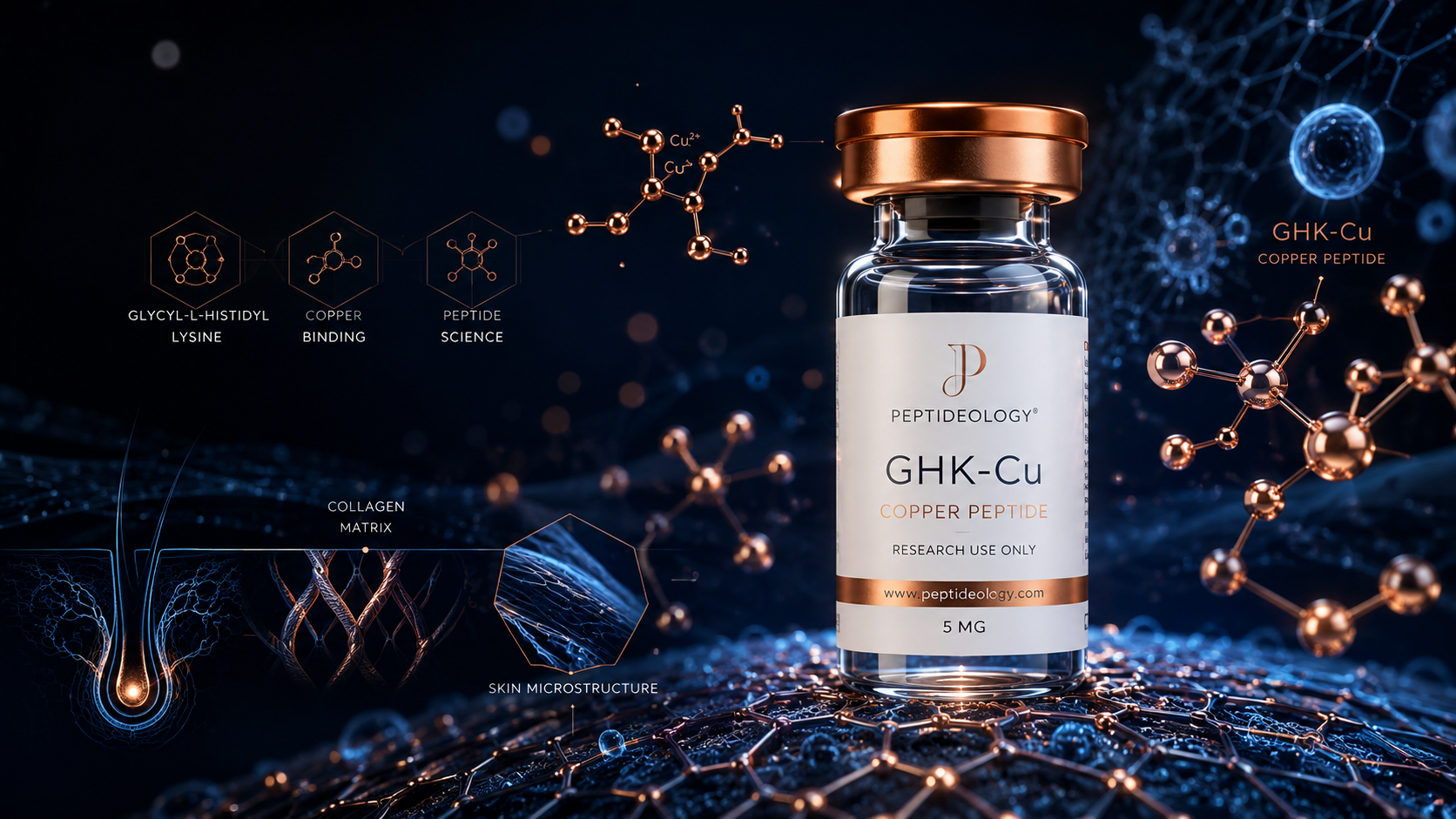
What Is GHK-Cu? The Copper Peptide Behind Skin and Hair Research
Explore the tripeptide GHK-Cu, its structural copper-binding affinity, and its widespread investigation in skin regeneration, wound healing, and anti-aging research.