
Most Popular Peptides in 2026: What Researchers Are Studying Right Now
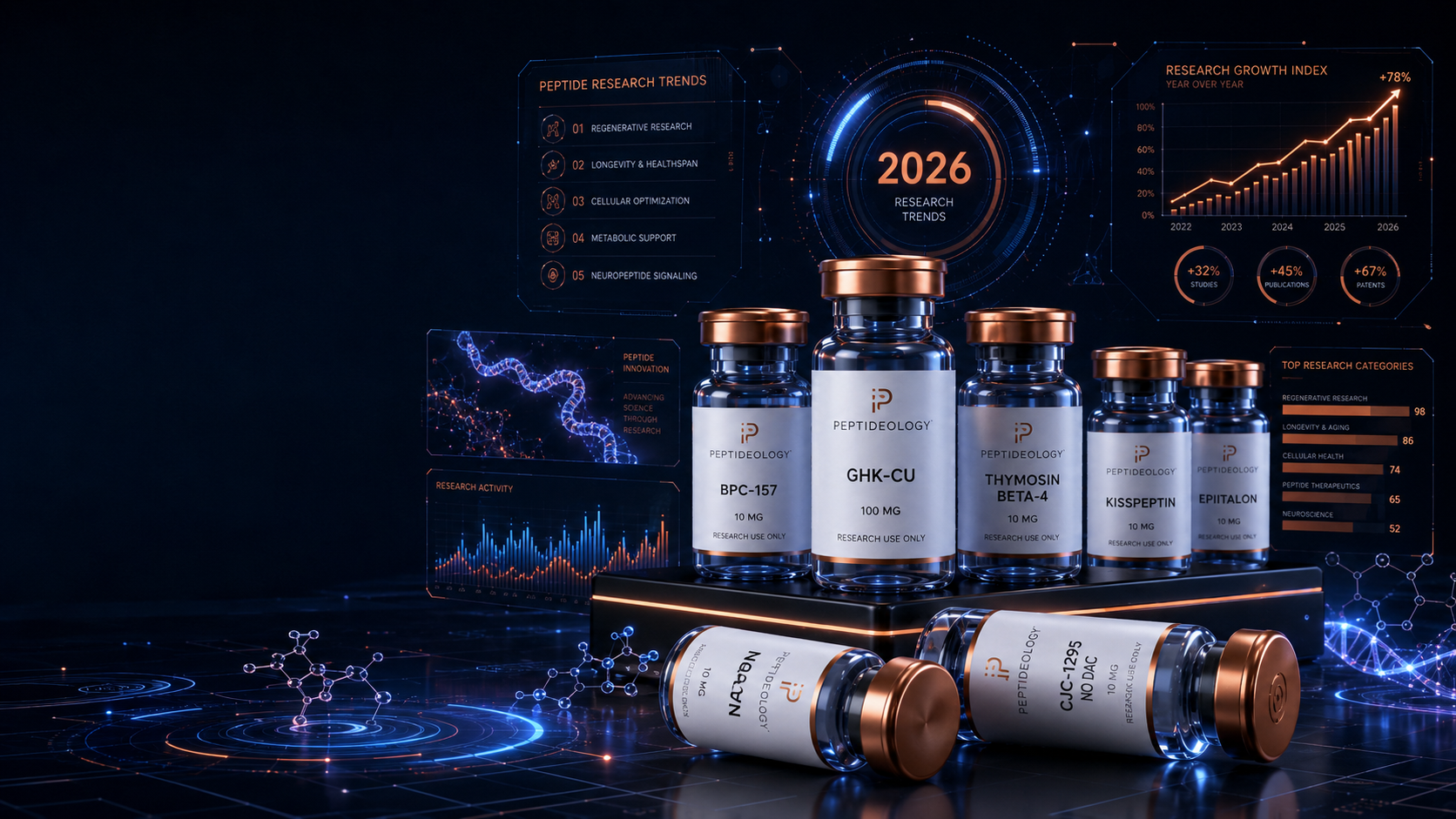
A comprehensive overview of 2026 research trends in peptide science - from dual incretin agonists to advanced tissue repair blends and mitochondrial compounds.
Introduction
2026 marks a landmark year for peptide research. Advances in analytical chemistry, a growing scientific consensus around the hallmarks of aging, and increased institutional interest in metabolic disease have driven unprecedented growth in several peptide research categories. This guide surveys the current research landscape.
GLP-1 and Dual Incretin Research
The incretin peptide category continues to dominate research interest driven by Tirzepatide's dual GLP-1/GIP mechanism. Research institutions are increasingly studying Tirzepatide 10mg and 20mg formulations in models of metabolic syndrome, type 2 diabetes, and weight management. The complementary role of MOTS-c in combination with GLP-1 agonists is also a growing research area in 2026.
Tissue Repair Blends
The BPC-157/TB-500 blend remains the single most popular peptide blend category. Researchers continue to explore its applications in musculoskeletal injury models, gastrointestinal repair, and traumatic brain injury. The convenience of pre-mixed blends like the BB20 formulation has streamlined multi-peptide research protocols.
Longevity and NAD+ Research
NAD+ research is now mainstream. Publications exploring its role in mitochondrial biogenesis, sirtuin activation, and cognitive preservation are appearing at record rates. High-dose formulations (NAD+ 1000mg) are increasingly used in extended model organism studies. Epitalon continues to attract interest specifically in telomere and pineal biology research.
Cognitive Performance Peptides
Semax and Selank continue to attract researchers from neuroscience, psychology, and neurodegeneration fields. Their established safety profiles in human populations (approved in Russia and Ukraine) provide unique research context. Interest in BDNF-related peptides broadly is accelerating across the neuroscience research community.
Growth Hormone Axis Research
The CJC-1295/Ipamorelin combination remains one of the most-cited dual peptide research protocols in GH axis studies. Researchers are particularly interested in the relationship between pulsatile GH patterns, IGF-1 levels, and downstream effects on body composition and metabolic health markers.
Emerging Compounds
Newer entries drawing significant research interest include: 5-Amino-1MQ for NNMT inhibition and NAD+ metabolism; LL-37 in immune modulation and antimicrobial contexts; ARA-290 for EPOR (erythropoietin receptor) signaling and neuroprotection; and GHK-Cu for its remarkable gene regulatory breadth.
Conclusion
The 2026 research peptide landscape is defined by sophistication: multi-mechanism compounds, synergistic stacks, and a deepening understanding of how specific peptides interface with aging biology, metabolic disease, and neural function. The resources in this library track these evolving research frontiers in real time.
Frequently Asked Questions
More in Research Guides
 Longevity & Anti-Aging
NAD+ Explained: Why It Has Become One of the Most Discussed Longevity Compounds
Explore the critical role of Nicotinamide Adenine Dinucleotide in cellular metabolism, mitochondrial function, and why it has become central to longevity research.
 Weight Management
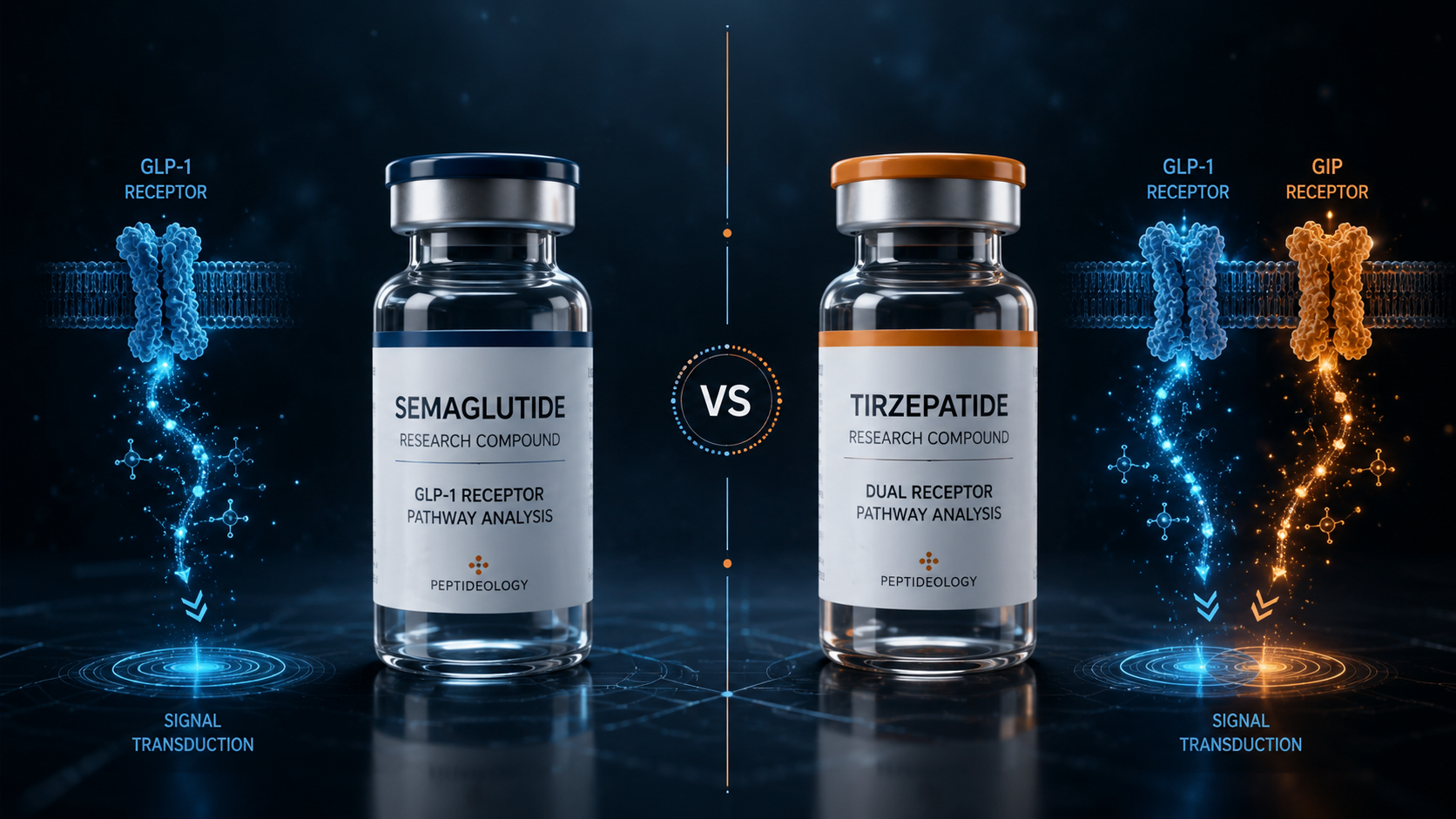
Tirzepatide vs Semaglutide: Understanding the Differences in Weight Management Research
A detailed scientific comparison of dual GLP-1/GIP agonists like Tirzepatide against single-target GLP-1 agonists, exploring mechanisms and research outcomes.
 Recovery & Healing
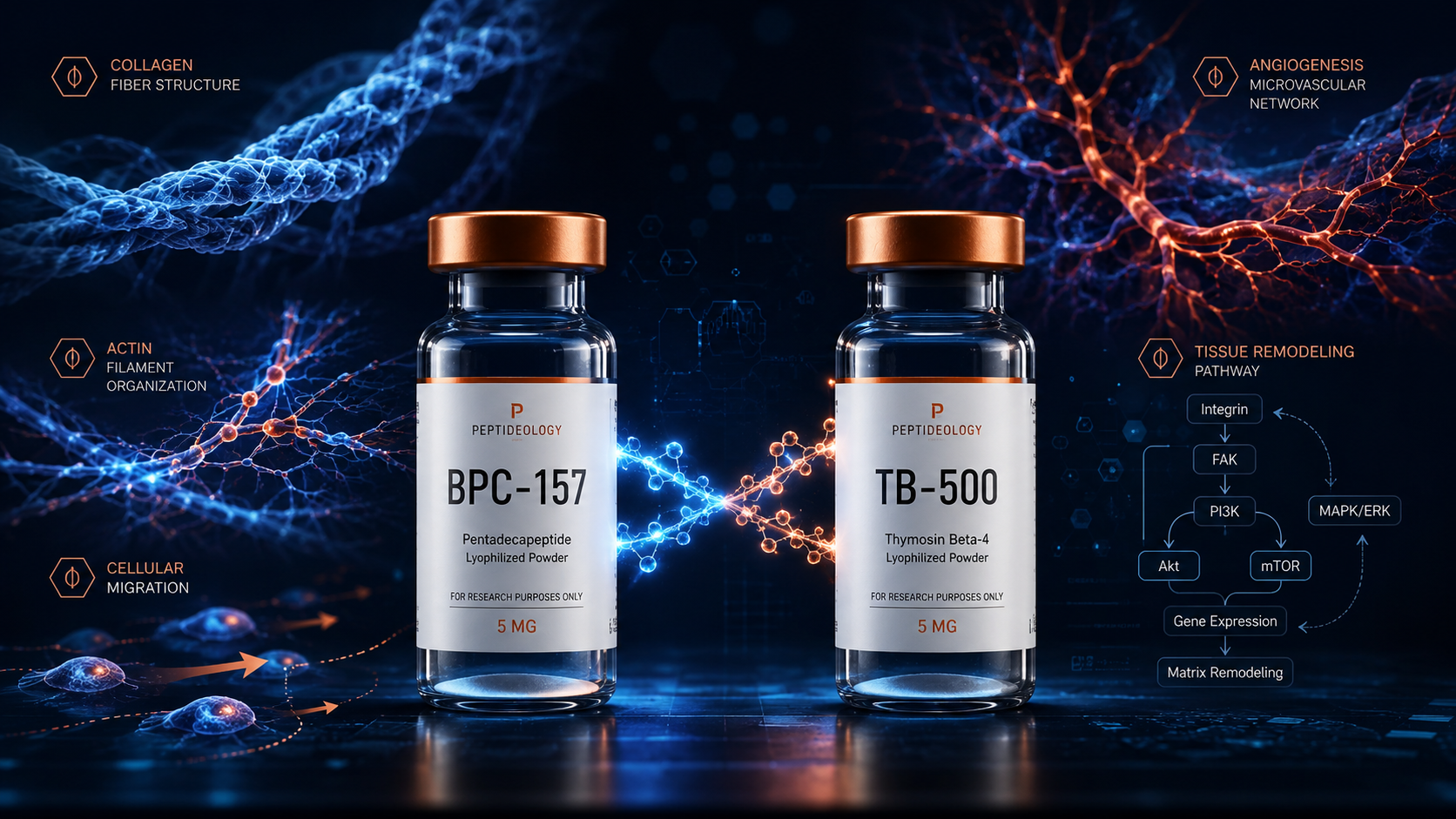
BPC-157 and TB-500: Why This Combination Is One of the Most Popular Research Blends
Analyzing the synergistic relationship between BPC-157's angiogenic properties and TB-500's actin-regulating mechanism in tissue repair research.