
LL-37 Explained: The Antimicrobial Peptide Researchers Continue to Study
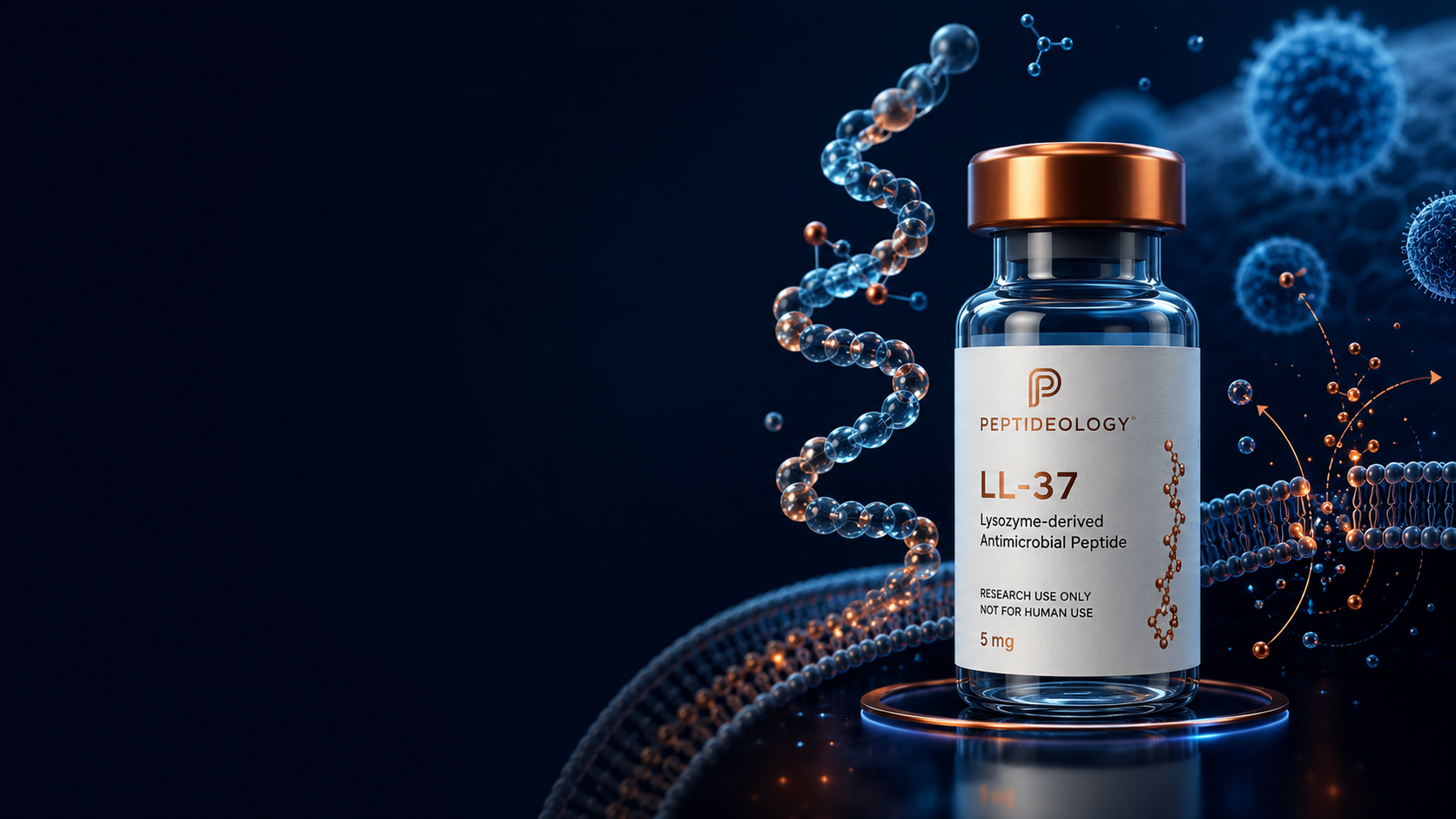
Discover cathelicidin LL-37, a critical component of the human innate immune system, and its broad-spectrum antimicrobial and wound-healing properties under research scrutiny.
Introduction
LL-37 is a 37-amino acid peptide belonging to the cathelicidin family of host defense peptides. It is the only known human cathelicidin and plays a critical role in the innate immune response - the body's first line of defense against pathogenic invasion.
What Is LL-37?
LL-37 is derived from the hCAP18 precursor protein, which is cleaved by proteases (primarily serine protease) to release the active 37-amino acid peptide. It is produced by epithelial cells, neutrophils, macrophages, and NK cells - tissues at the interface of the body's innate immune defense.
Mechanism of Antimicrobial Action
LL-37 disrupts the integrity of bacterial membranes through a carpet mechanism or toroidal pore formation. Its amphipathic alpha-helical structure allows it to insert into and disrupt the phospholipid bilayer of gram-positive and gram-negative bacteria, as well as certain fungi and viruses.
Immune Modulation
Beyond direct antimicrobial activity, LL-37 acts as an immune modulator. It binds to and neutralizes lipopolysaccharide (LPS), reducing septic shock risk. It also recruits macrophages, promotes dendritic cell maturation, and stimulates angiogenesis through VEGF receptor activation.
Wound Healing Research
LL-37 is found at elevated concentrations at sites of skin injury. Research has demonstrated that it promotes keratinocyte migration and proliferation, angiogenesis, and re-epithelialization - processes essential for wound closure and tissue restoration.
Anti-Cancer Research
An emerging line of research investigates LL-37's dual relationship with cancer. In some contexts it exhibits anti-tumor activity; in others it may promote tumor angiogenesis. This complexity makes it a subject of active and ongoing investigation in oncology research models.
Conclusion
LL-37 occupies a unique position in research biology - straddling immunology, microbiology, wound healing, and oncology. Its multifunctional nature and natural origin from the human innate immune system continue to drive interest across multiple research disciplines.
Frequently Asked Questions
More in Recovery & Healing
 Peptide Basics
The Complete Beginner's Guide to Peptides: What They Are and How They Work
A foundational overview of peptides — exploring what they are at a molecular level, how amino acid chains form, and how they interact with cellular signaling pathways.
 Recovery & Healing
BPC-157 Explained: Why Researchers Are So Interested in This Peptide
Dive into the science behind Body Protection Compound-157, its origins in human gastric juice, and its significant potential in tissue repair and regeneration research.
 Recovery & Healing
BPC-157 and TB-500: Why This Combination Is One of the Most Popular Research Blends
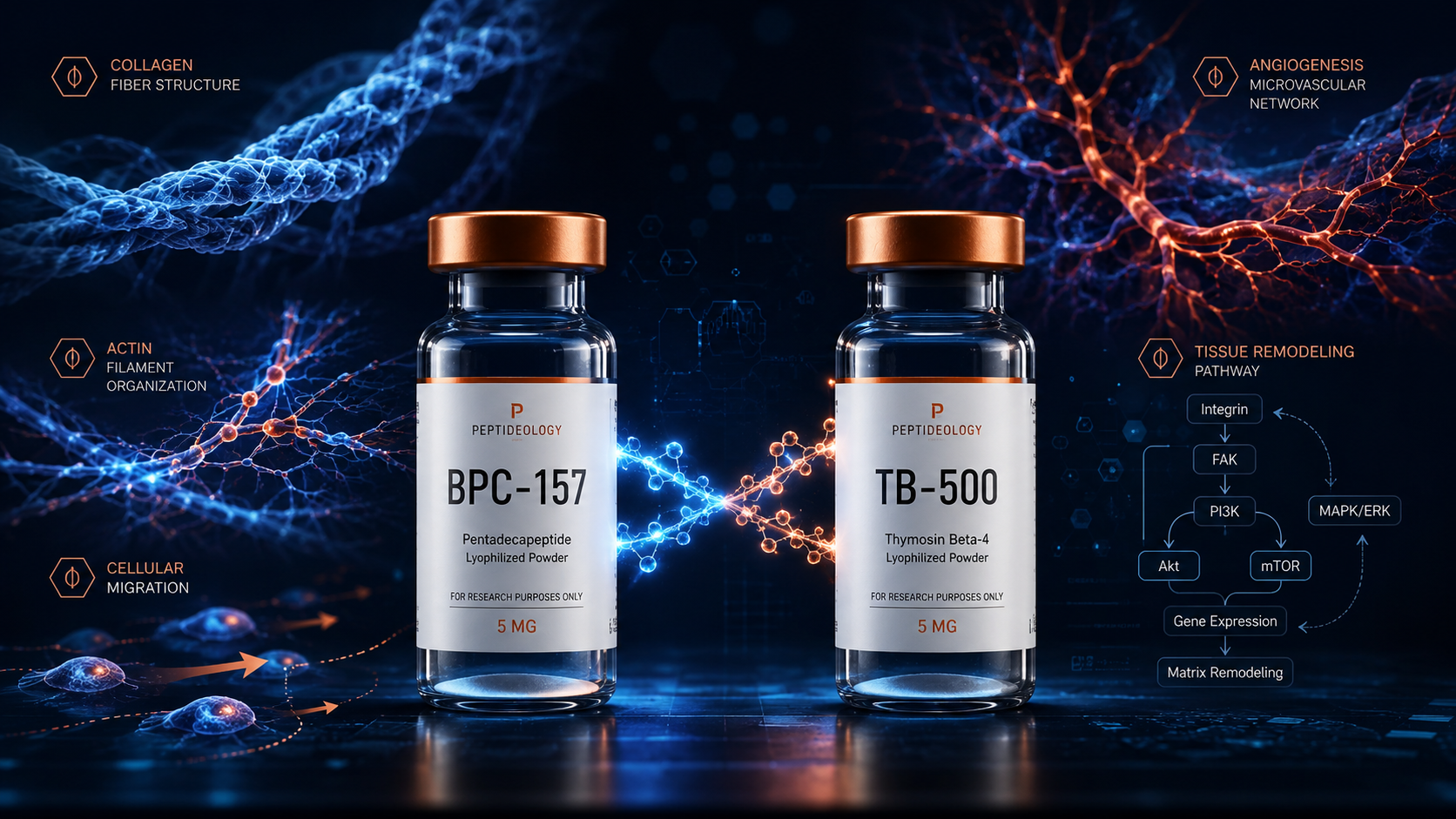
Analyzing the synergistic relationship between BPC-157's angiogenic properties and TB-500's actin-regulating mechanism in tissue repair research.