
BPC-157 Explained: Why Researchers Are So Interested in This Peptide
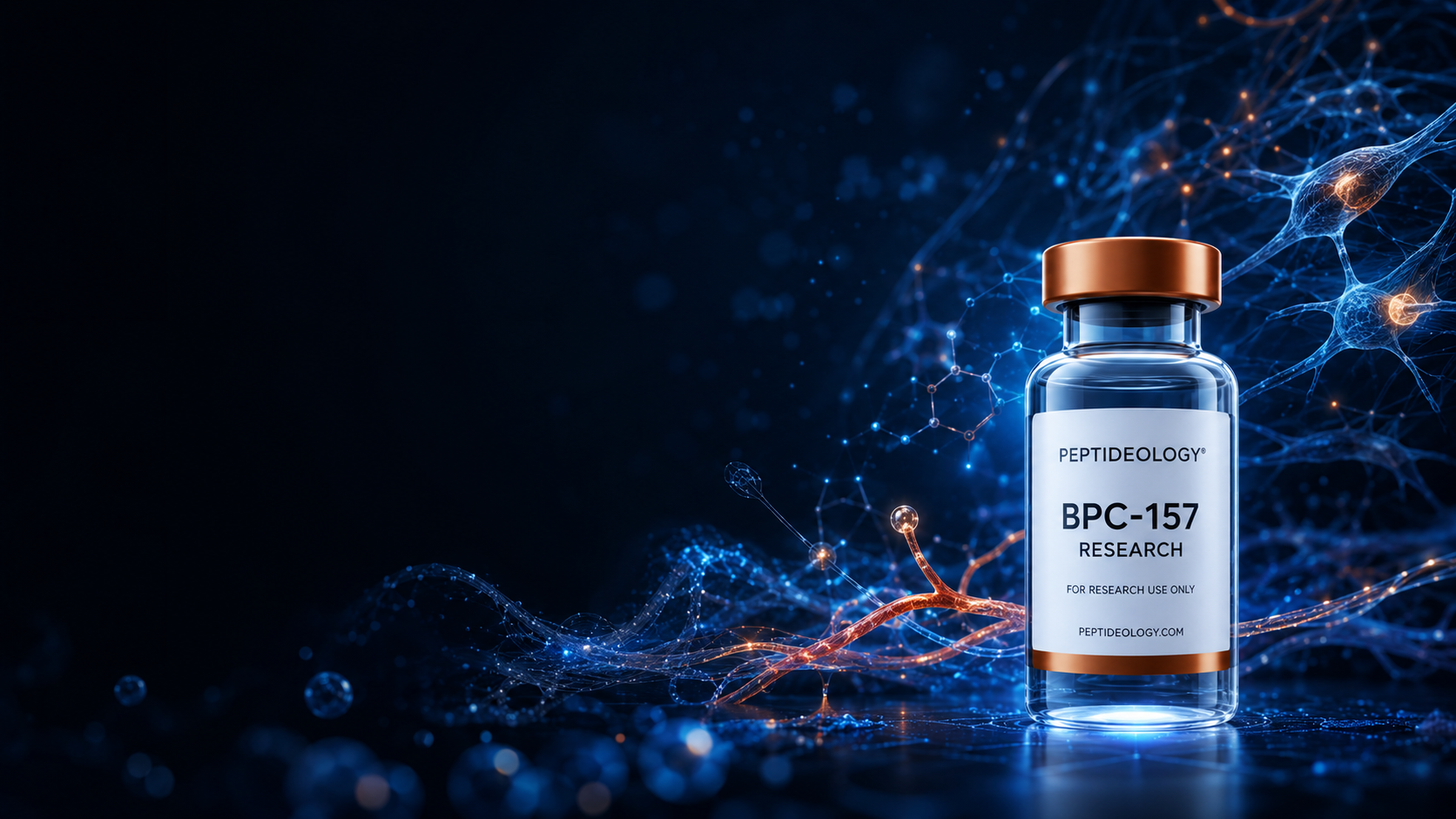
Dive into the science behind Body Protection Compound-157, its origins in human gastric juice, and its significant potential in tissue repair and regeneration research.
Introduction
BPC-157, or Body Protection Compound-157, is a synthetic pentadecapeptide consisting of 15 amino acids. It was originally derived from a protective protein found in human gastric juice and has since become one of the most studied compounds in regenerative research.
What Is BPC-157?
BPC-157 is a partial sequence of body protection compound (BPC) that is discovered in and isolated from human gastric juice. The peptide has demonstrated a remarkable ability to accelerate healing across multiple tissue types in preclinical research settings.
Mechanism of Action
BPC-157 exerts its effects through several synergistic pathways. Primary mechanisms include interaction with the nitric oxide (NO) system, upregulation of growth hormone receptors, and modulation of the VEGF pathway to promote angiogenesis.
Key Research Areas
Researchers have investigated BPC-157 across a broad range of applications including tendon-to-bone healing, inflammatory bowel disease models, peripheral nerve damage, and traumatic brain injury scenarios.
BPC-157 and the VEGF Pathway
One of the most notable mechanisms studied is BPC-157's interaction with vascular endothelial growth factor (VEGF). By promoting the formation of new blood vessels (angiogenesis), the peptide facilitates enhanced nutrient and oxygen delivery to damaged tissues.
Conclusion
BPC-157 remains one of the most versatile and extensively researched peptides in the recovery and healing category. Its multi-pathway mechanism and broad tissue applicability make it a critical tool in regenerative research.
Frequently Asked Questions
More in Recovery & Healing
 Peptide Basics
The Complete Beginner's Guide to Peptides: What They Are and How They Work
A foundational overview of peptides — exploring what they are at a molecular level, how amino acid chains form, and how they interact with cellular signaling pathways.
 Recovery & Healing
BPC-157 and TB-500: Why This Combination Is One of the Most Popular Research Blends
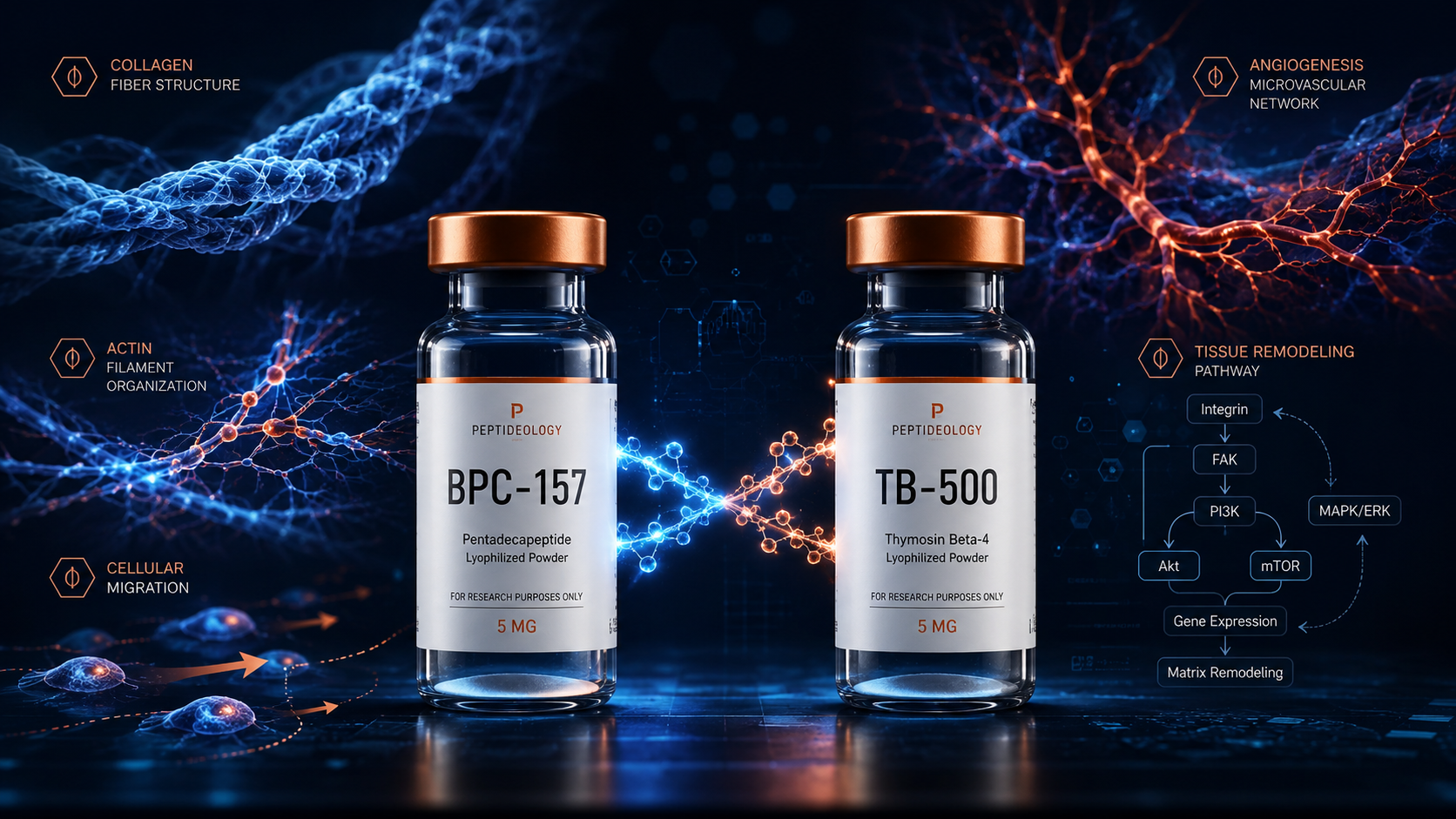
Analyzing the synergistic relationship between BPC-157's angiogenic properties and TB-500's actin-regulating mechanism in tissue repair research.
 Recovery & Healing
LL-37 Explained: The Antimicrobial Peptide Researchers Continue to Study
Discover cathelicidin LL-37, a critical component of the human innate immune system, and its broad-spectrum antimicrobial and wound-healing properties under research scrutiny.