
5-Amino-1MQ Explained: Why Researchers Are Interested in Cellular Metabolism

The science behind the small molecule NNMT inhibitor 5-Amino-1MQ and its systemic impact on NAD+ metabolism, fat cell biology, and obesity models.
Introduction
5-Amino-1MQ is a small molecule inhibitor of NNMT (Nicotinamide N-Methyltransferase), an enzyme that plays a significant role in cellular energy metabolism and fat cell biology. Its ability to indirectly raise cellular NAD+ levels while simultaneously impacting adipocyte function has made it a target of significant metabolic research.
What Is NNMT?
NNMT is an enzyme that methylates nicotinamide (a form of vitamin B3), converting it to 1-methylnicotinamide (1-MNA). This reaction consumes SAM (S-adenosylmethionine), a critical methyl donor for epigenetic regulation. When NNMT is overactive - as in obesity - it diverts both nicotinamide (a NAD+ precursor) and SAM from critical metabolic uses.
How 5-Amino-1MQ Works
5-Amino-1MQ is a competitive inhibitor of NNMT. By blocking NNMT, it: (1) prevents the wasteful methylation of nicotinamide, allowing more to be converted to NAD+ ; (2) preserves SAM for epigenetic regulation; and (3) reduces 1-MNA production, which has metabolic implications in adipose tissue.
NAD+ Metabolism Connection
By reducing nicotinamide consumption through NNMT inhibition, 5-Amino-1MQ effectively raises the availability of NAD+ precursors. NAD+ is critical for energy metabolism, sirtuin activation, and mitochondrial function - all processes impaired in metabolic disease states.
Fat Cell Biology
NNMT is highly expressed in adipose tissue - particularly in obese individuals. Elevated NNMT activity in fat cells is associated with increased fat storage, reduced energy expenditure, and insulin resistance. Inhibiting NNMT with 5-Amino-1MQ has been shown to reverse these effects in adipocyte cell culture models.
Obesity Model Research
Preclinical mouse studies have demonstrated that 5-Amino-1MQ can reduce white adipose tissue mass, improve insulin sensitivity, and elevate NAD+ metabolite levels without caloric restriction. The compound is now being studied in more complex metabolic models to characterize its safety and efficacy profile.
Conclusion
5-Amino-1MQ represents an innovative approach to metabolic research - targeting an enzyme upstream of NAD+ metabolism and fat cell biology. Its dual impact on NAD+ availability and adipocyte function makes it a unique and compelling research tool.
Frequently Asked Questions
More in Weight Management
 Longevity & Anti-Aging
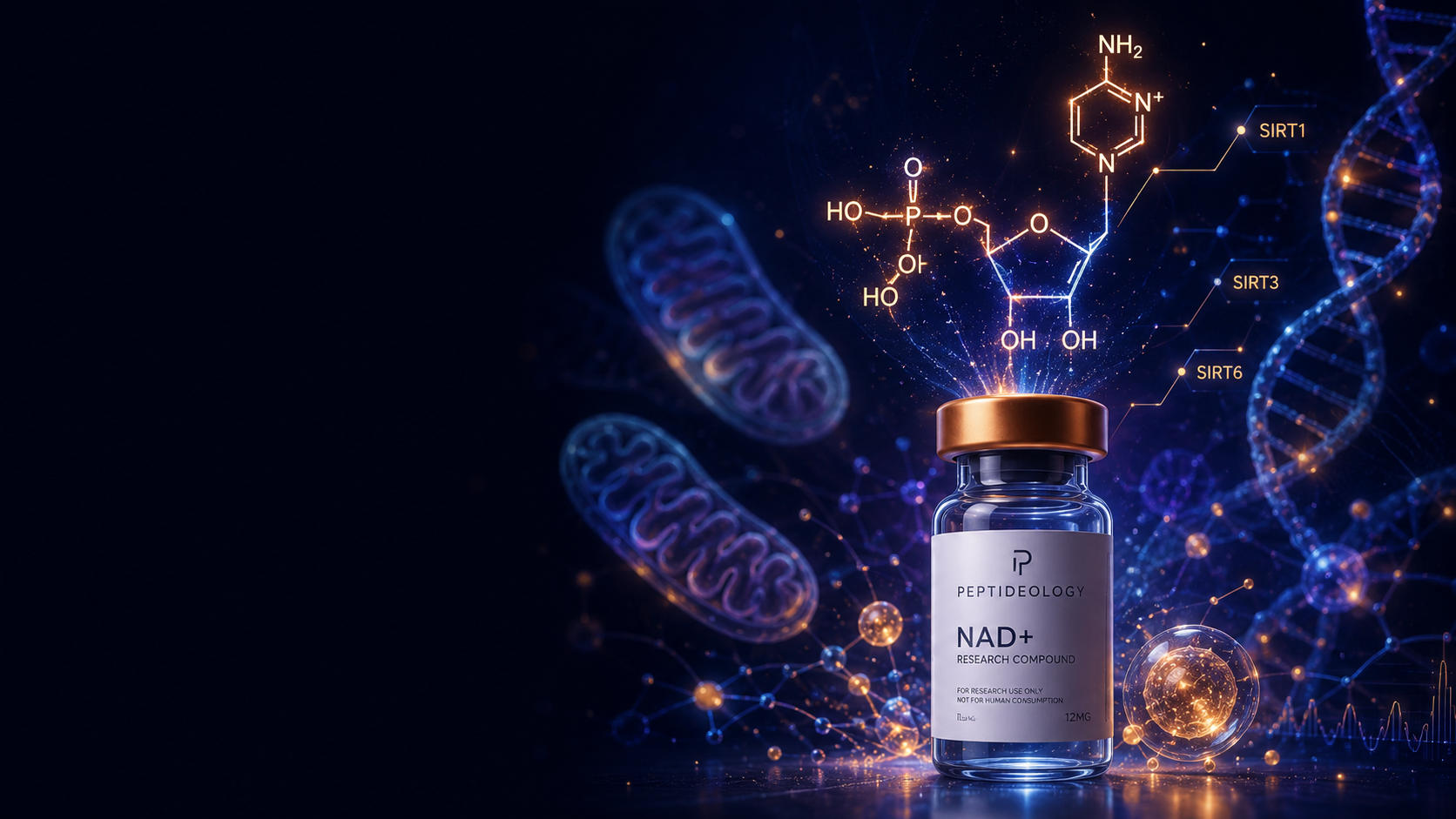
NAD+ Explained: Why It Has Become One of the Most Discussed Longevity Compounds
Explore the critical role of Nicotinamide Adenine Dinucleotide in cellular metabolism, mitochondrial function, and why it has become central to longevity research.
 Weight Management
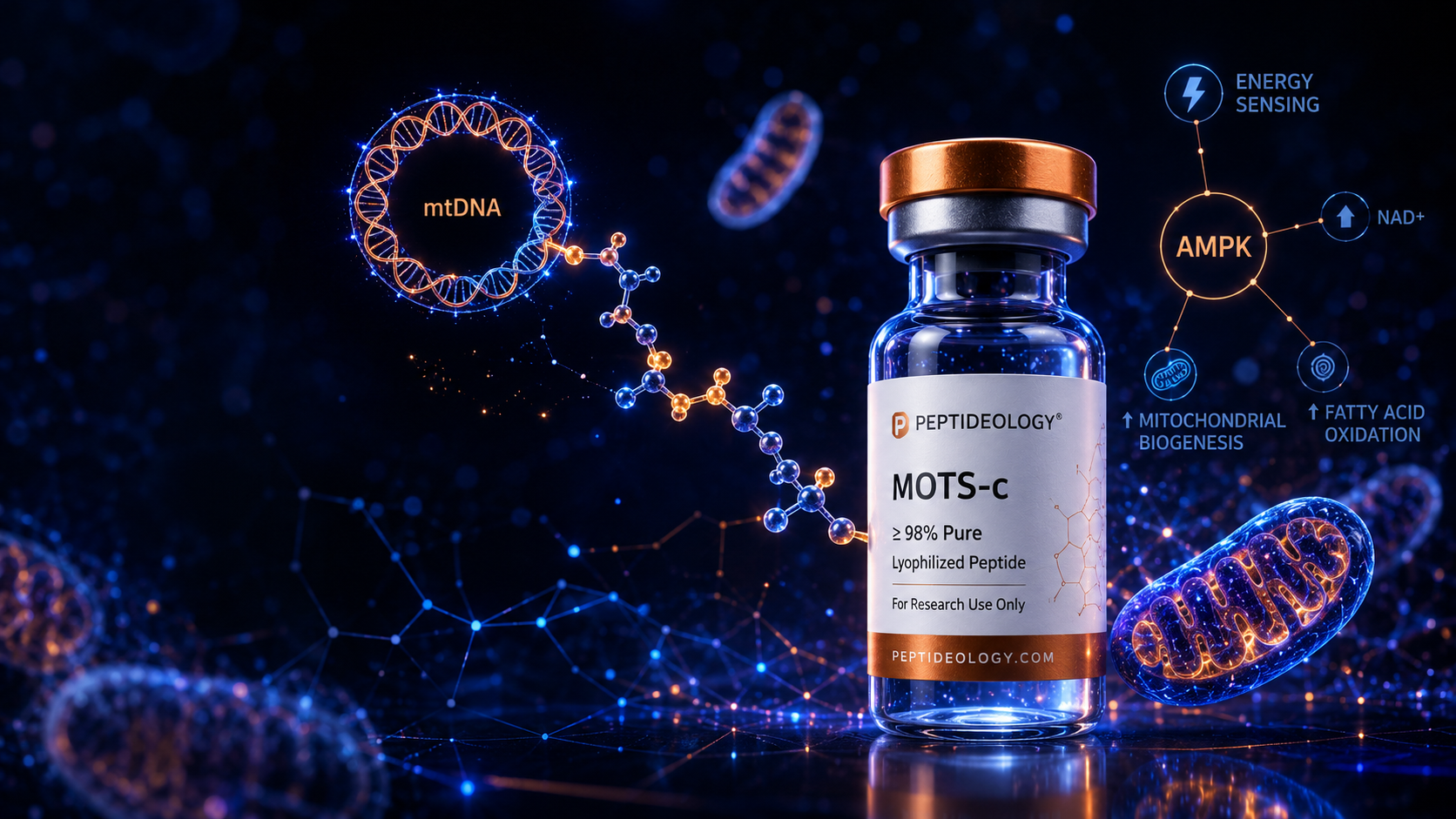
What Is MOTS-c? The Mitochondrial Peptide That Has Researchers Talking
An overview of the mitochondria-derived peptide MOTS-c and its implications for metabolic regulation, insulin sensitivity, and exercise-mimetic research.
 Weight Management
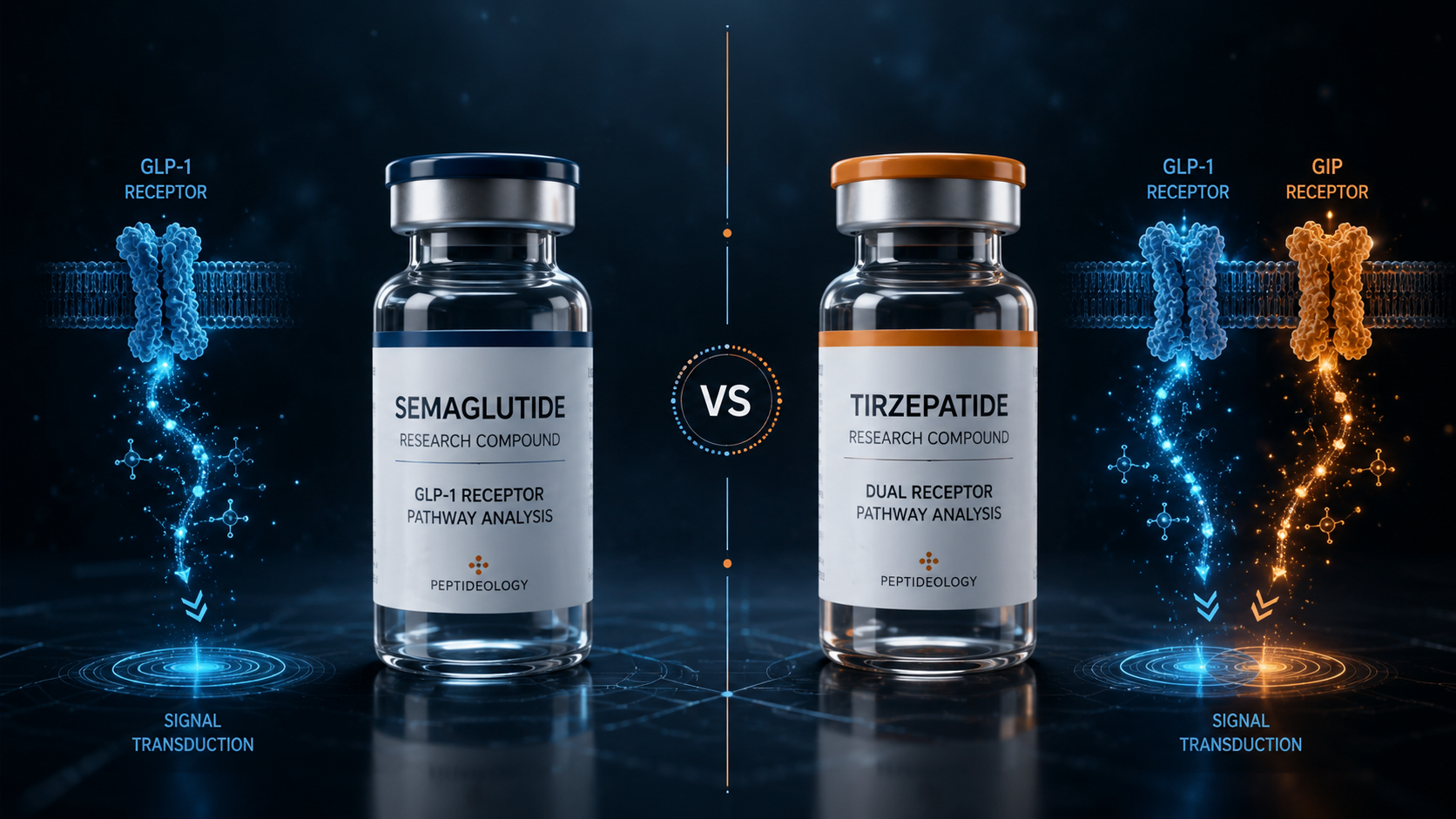
Tirzepatide vs Semaglutide: Understanding the Differences in Weight Management Research
A detailed scientific comparison of dual GLP-1/GIP agonists like Tirzepatide against single-target GLP-1 agonists, exploring mechanisms and research outcomes.